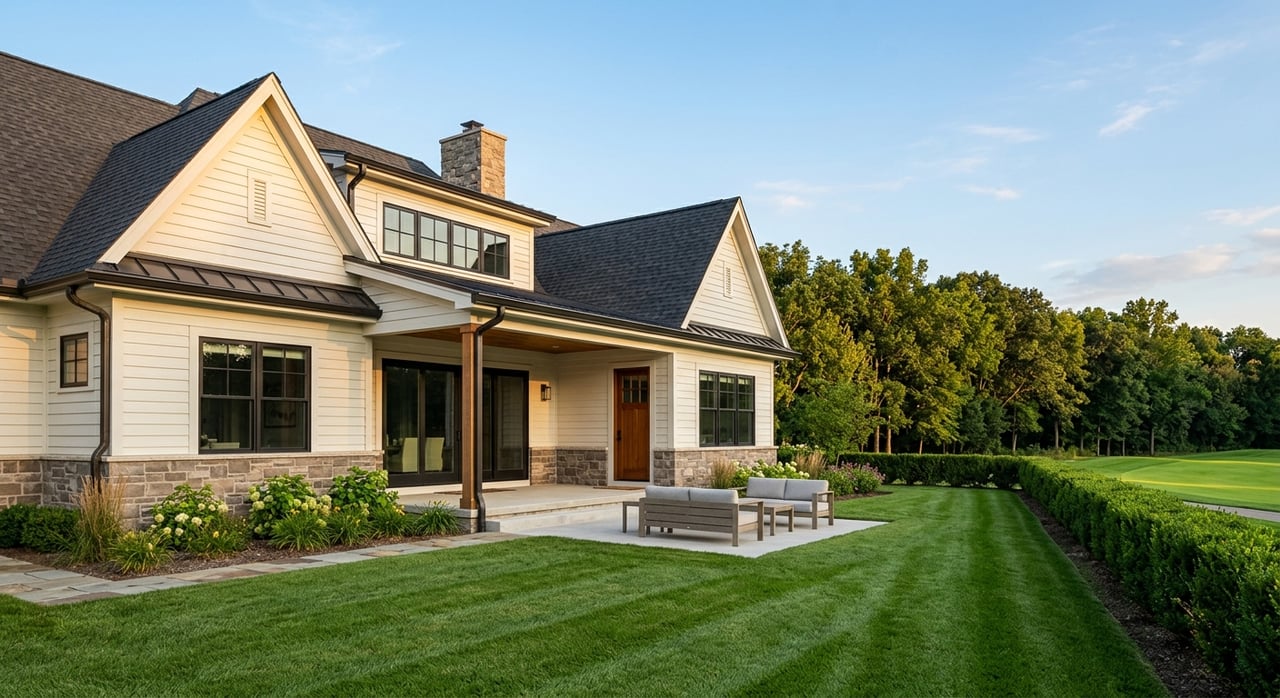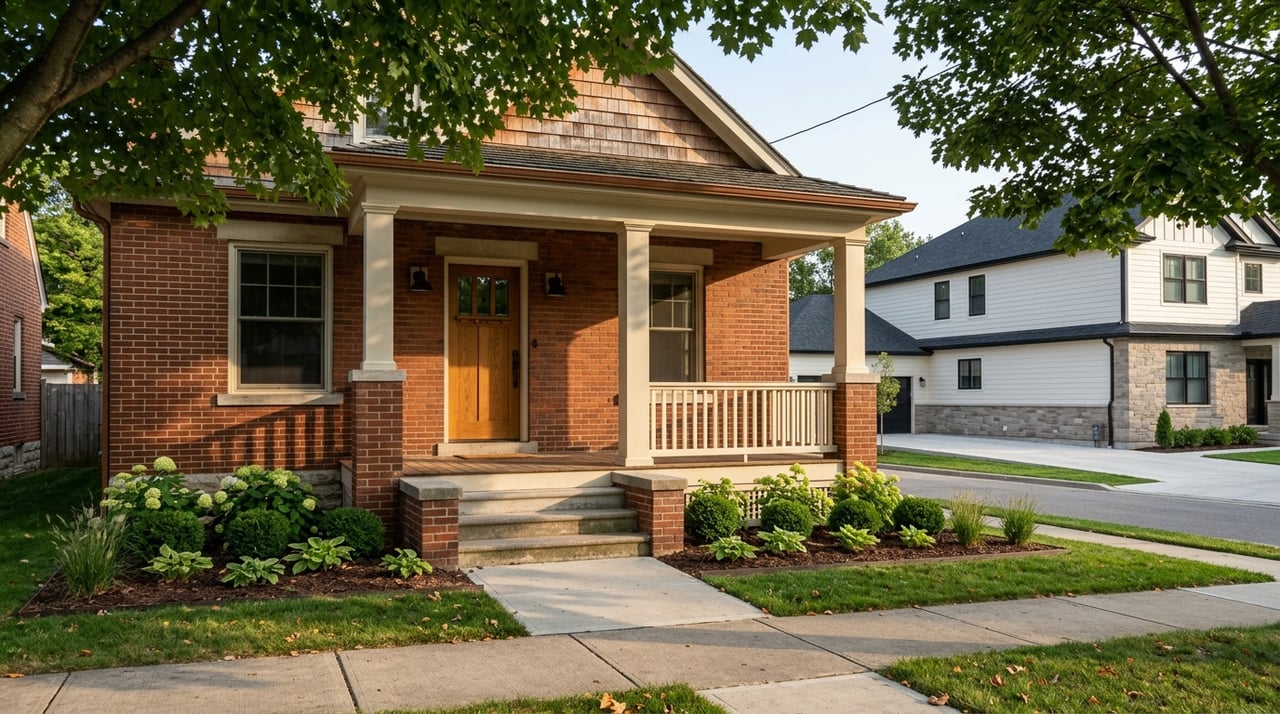
Trying to choose between a charming older home near the heart of Springfield and a newer build on the edge of town? You are not alone. In a city with both historic districts and active subdivision growth, this decision can shape your budget, your daily comfort, and how much work you want to take on after closing. This guide will help you compare Springfield’s historic and newer homes in a practical way so you can move forward with confidence. Let’s dive in.
Why this choice matters in Springfield
Springfield is a mostly owner-occupied market, with 64.3% of occupied homes owner occupied and a median owner-occupied value of $162,100. That makes the local housing stock especially important for buyers who plan to put down roots.
Springfield also has formal systems that support both preservation and growth. On one side, the city has historic-district oversight and rehabilitation support. On the other, it has annexation and subdivision review that help shape newer residential areas. For buyers, that means both paths are very real and very local.
Where older and newer homes are found
Historic homes near downtown
If you are drawn to vintage details and an in-town setting, your search will often start closer to downtown. Springfield’s Historic Sites Commission identifies three historic zoning districts, a downtown National Register Historic District, and the Lincoln Home National Historic Site, all within blocks of downtown.
The city’s architectural surveys also highlight areas like Enos Park, the West Side of Capitol, Aristocracy Hill, and the Central East neighborhood. The city’s neighborhood list also includes places such as Historic West Side, Old South Town, North End, Vinegar Hill, The Avenue: North Grand, and Springfield Inner City Older Neighborhoods PAC. These areas are useful starting points if you want older housing stock with established street patterns and period character.
Newer homes toward Springfield’s edges
If you want a more subdivision-style setting, your search will often shift outward. Springfield’s annexation policy and subdivision review process help guide growth in these areas.
The city’s HOA and subdivision list offers a practical starting point for buyers looking for newer-build options. Communities on that list include Koke Mill East and West, Panther Creek and West, Piper Glen, The Reserve, West Road Park, Mill Creek Estates, Lake Pointe, Oak Park Estates, Timberlane East, White Oaks West, and Sherwood Subdivision. While the city does not formally label these as “newer home” areas, they are useful reference points for buyers seeking a more recent, planned-development feel.
What you gain with a historic home
Character and location
Historic homes often appeal to buyers who want architectural detail and a closer-in location. In Springfield, many older homes sit within the city’s legacy street grid, which can create a more established neighborhood feel.
If you enjoy original woodwork, brick exteriors, unique floor plans, and homes with a story, an older property may feel more personal than a newer build. For many buyers, that sense of character is hard to replicate.
Potential value through thoughtful updates
A historic home can also offer upside if you are comfortable making improvements over time. Springfield supports this path with home repair assistance, rehabilitation programs, exterior and interior rehab programs, and emergency home repair assistance.
That local support matters because it can make ownership feel more manageable. If you love older homes but worry about the upkeep, Springfield’s rehab ecosystem is an important part of the conversation.
Possible historic incentives
Some historic properties may be eligible for local or broader preservation-related incentives. According to the city, landmarked properties and properties within designated historic districts may qualify for property-tax rebates, while other preservation incentives can include property-tax freezes and preservation tax credits.
That said, these benefits usually come with added rules. If a home is in a designated historic district, exterior changes may involve design review.
What to watch for with a historic home
More maintenance uncertainty
Older homes often need more attention in key systems. Roofs, plumbing, electrical systems, windows, and insulation can all become bigger factors as a home ages.
That does not mean every older home is a project. It does mean you should ask more detailed questions before you buy and budget for repairs with a little more flexibility.
Lead-based paint concerns
For older homes, lead safety deserves extra attention. The older a home is, the more likely it contains lead-based paint. Estimates show that 87% of homes built before 1940 have some lead-based paint, compared with 24% of homes built between 1960 and 1978.
If you are considering a pre-1978 home, ask about lead-based paint risk, especially if you plan to remodel. This is an especially important step when evaluating older properties.
Possible design review
If a property sits in a designated historic district, certain exterior changes may need review. That can affect projects like window replacement, exterior materials, or facade updates.
For some buyers, this is a fair trade for living in a preserved historic setting. For others, it can feel restrictive, so it is worth confirming early in your home search.
What you gain with a newer home
More predictable upkeep
One of the biggest reasons buyers choose newer homes is simplicity. A newer property usually offers a more standardized move-in experience, with fewer immediate repair surprises.
That can make budgeting easier in your first few years of ownership. If you want to spend less time planning updates and more time settling in, a newer home may fit your lifestyle better.
Better baseline efficiency
Newer homes usually start with an energy-efficiency advantage. Many older homes have less insulation than homes built today, while certified new homes are built to exceed minimum energy code requirements by at least 10% and are independently verified for insulation, windows, air sealing, and HVAC systems.
In everyday terms, that can mean stronger comfort and lower utility strain from day one. If energy performance is high on your list, newer construction often starts ahead.
A more planned layout
Newer homes also tend to reflect more recent design preferences. While every property is different, newer subdivision-style homes often feel more consistent in layout, lot planning, and overall development pattern.
In Springfield, this usually lines up with lower-density, planned residential growth areas. If you prefer a more uniform move-in experience, that can be a major advantage.
What to watch for with a newer home
Less architectural individuality
For some buyers, newer homes can feel less distinctive than historic properties. You may get modern comfort and convenience, but not the same kind of one-of-a-kind detailing found in older Springfield homes.
That is not a flaw. It is simply a preference question. Some buyers want character first, while others want efficiency and ease.
Different neighborhood feel
The choice between old and new is often also a choice between two neighborhood patterns. Older in-town areas usually reflect Springfield’s historic street grid, while newer areas are shaped by annexation, subdivision review, and planned development.
That can affect how the area feels day to day. Your decision is not just about the house itself, but also the setting around it.
A simple way to decide
If you are stuck, focus on the tradeoffs that will affect your life most after closing. A good decision usually comes down to how you want to live, not just what looks best online.
Choose a historic home if you value:
- Proximity to downtown
- Period character and unique details
- The chance to build value through thoughtful renovation
- Established in-town surroundings
- Access to possible rehab support or preservation incentives
Choose a newer home if you value:
- More predictable maintenance
- Better starting energy efficiency
- A simpler move-in process
- A more standardized home layout
- A planned subdivision setting
Questions to ask before you buy
For an older Springfield home
Before making an offer, ask about:
- Year built
- Roof age
- HVAC age
- Plumbing and electrical updates
- Insulation levels
- Lead-based paint risk
- Whether the home is in a historic district
- Whether exterior changes may require design review
For a newer Springfield home
Before making an offer, ask about:
- Year built
- Utility performance and insulation details
- HVAC age and service history
- Whether the home is in a listed HOA or subdivision area
- What recent maintenance has already been completed
The middle path may be the best fit
In Springfield, you do not always have to choose between all charm and all convenience. A renovated older home in an established neighborhood can offer character with fewer immediate projects. A newer subdivision-style home can deliver comfort and efficiency without feeling overly generic.
That is why many buyers do best with a side-by-side comparison instead of a hard rule. When you look at actual homes through the lens of maintenance, location, layout, and long-term goals, the right answer usually becomes clearer.
Whether you are comparing historic homes near downtown or newer properties in Springfield’s subdivision areas, local context matters. If you want help narrowing your options and weighing the tradeoffs, connect with Melissa Vorreyer for expert guidance tailored to your Springfield home search.
FAQs
What should buyers know about historic homes in Springfield?
- Historic homes in Springfield are often found closer to downtown and in established neighborhoods such as Enos Park, Historic West Side, Old South Town, and other older in-town areas. Buyers should pay close attention to maintenance history, lead-based paint risk in pre-1978 homes, and whether the home sits in a historic district that may affect exterior changes.
Are newer homes in Springfield more energy efficient?
- Usually, yes. Newer homes generally start with stronger insulation, air sealing, windows, and HVAC performance than older homes, although older homes can improve significantly with targeted upgrades.
Do historic homes in Springfield always cost more to own?
- Not always. Purchase prices can vary, but older homes often carry more uncertainty around repairs and renovation. Springfield’s rehab programs and possible preservation-related incentives can help offset some ownership costs in certain cases.
Where should buyers look for newer homes in Springfield?
- Buyers often start with Springfield’s city-listed HOA and subdivision areas, including Koke Mill East and West, Panther Creek and West, Piper Glen, The Reserve, West Road Park, Mill Creek Estates, Lake Pointe, Oak Park Estates, Timberlane East, White Oaks West, and Sherwood Subdivision.
How can buyers choose between a historic home and a newer home in Springfield?
- Start with your daily priorities. If you want character, a closer-in location, and are comfortable with more maintenance, a historic home may be the better fit. If you want easier upkeep, better baseline efficiency, and a simpler move-in experience, a newer home may make more sense.