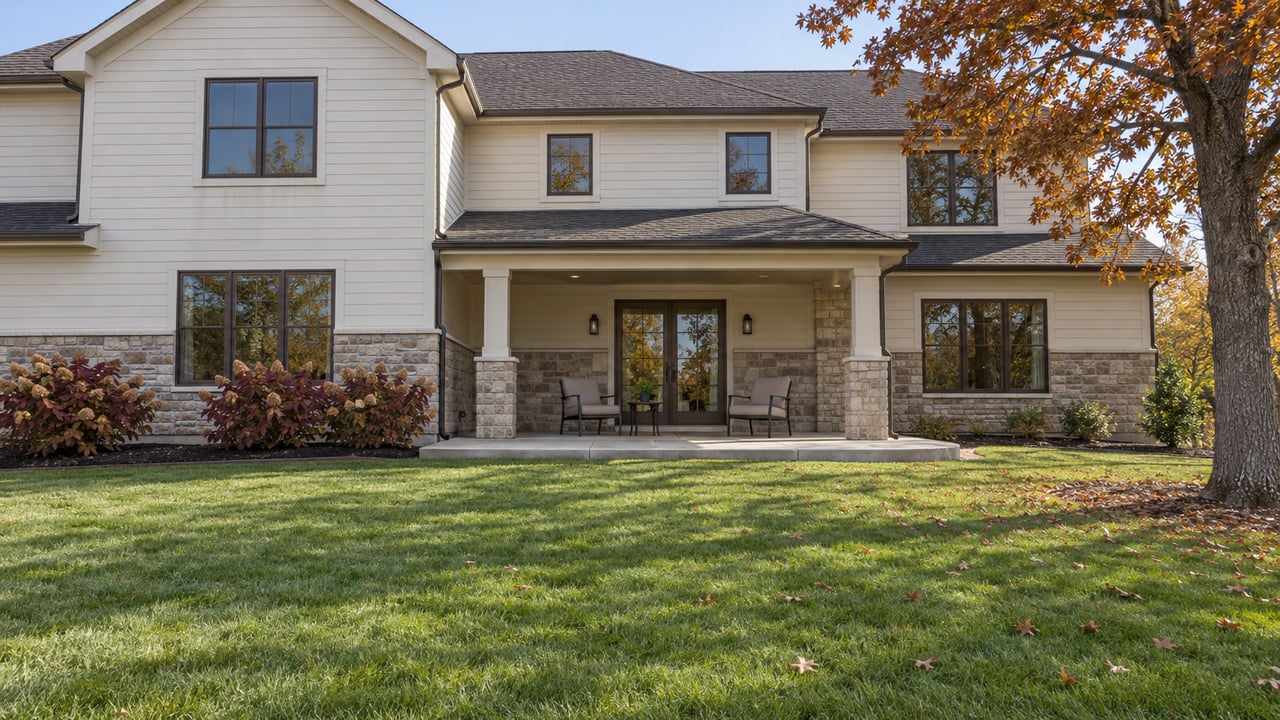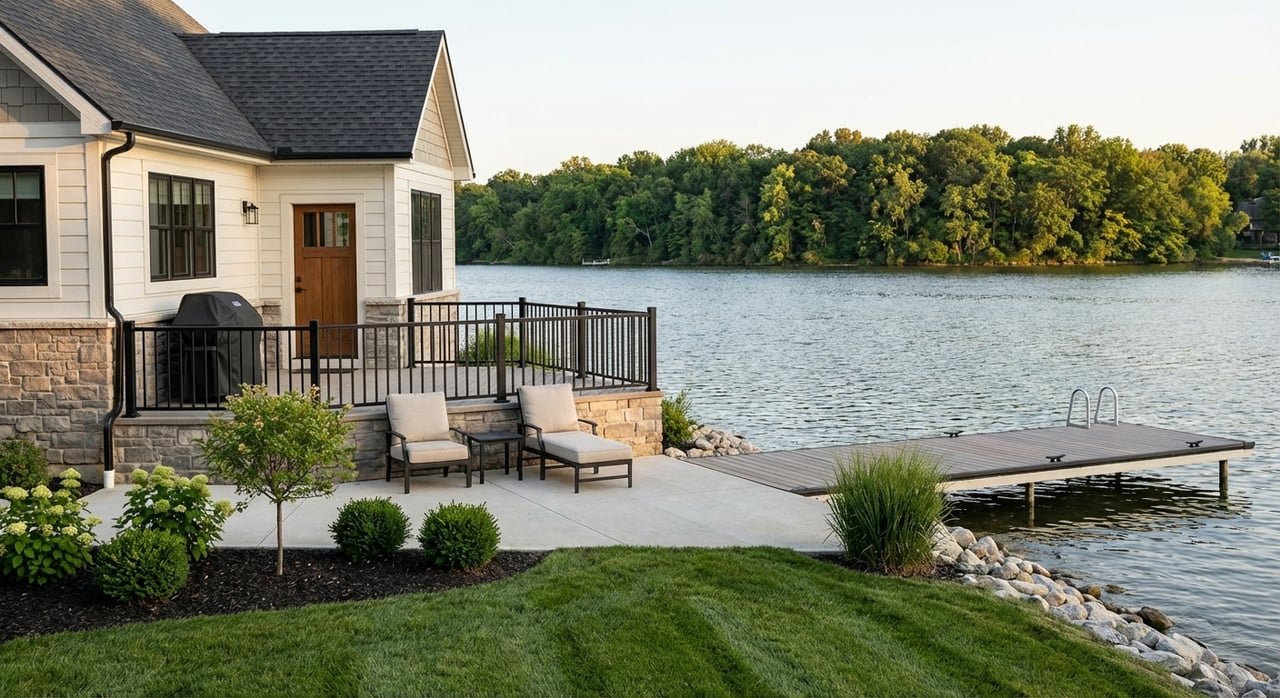
Thinking about selling your Lake Springfield home? Waterfront listings come with extra moving parts like docks, shoreline permits, and marginal land leases. You want top dollar without last‑minute surprises. In this guide, you’ll get a clear checklist, a simple timeline, and smart pricing and marketing tips tailored to Lake Springfield. Let’s dive in.
Start with shoreline rules and permits
Confirm who manages what
City Water, Light & Power (CWLP) administers Lake Springfield, including boat registration, lake rules, and many shoreline programs. The City of Springfield also uses a Land Use Plan for Lake Springfield and its Marginal Properties, often referenced as “Appendix A,” alongside zoning and building codes. Before you plan any dock, boathouse, or shoreline work, contact CWLP and City Planning to confirm what applies to your parcel.
Know your ownership or lease status
Some homes sit on private, fee‑simple waterfront. Others use city‑owned marginal land under a lease. Your lease terms and transfer steps can affect buyer interest and price. Gather your deed, tax parcel notes, any CWLP marginal‑land lease, and any dock or boathouse permits. If your dock is “grandfathered,” understand that expansions or major repairs may require current code compliance.
Understand the permit layers
Projects can involve several approvals:
- CWLP internal approvals, marginal‑land leases, and boat registration/licensing.
- City of Springfield planning, zoning, and building permits (including Appendix A variances).
- Illinois Department of Natural Resources (IDNR) permits for certain shoreline or in‑water work.
- U.S. Army Corps of Engineers (USACE) permits for dredge/fill or larger structural changes.
- Sangamon County Department of Public Health for septic and well systems.
Confirm what you need early. Permit timing can influence when you list and how you market improvements.
Your 12‑month pre‑listing checklist
Week 1: documents and status
- Collect your deed, any CWLP marginal‑land lease, dock/boathouse permits, and maintenance agreements.
- Ask CWLP and City Planning for written guidance on lease transfer steps and any fees.
- Verify whether your dock is permitted or nonconforming and what work requires approvals.
Dock and boathouse safety check
- Replace soft or rotten decking, tighten hardware, secure rails, and repair flotation.
- Test boat lifts and verify electrical is to code using a licensed electrician.
- Inspect anchors and pilings; photograph condition for your records.
- Gather invoices and warranties. Buyers value documented care and recent work.
Shoreline stabilization and vegetation
- Look for erosion or failing riprap/bulkhead. Note overgrown plants blocking views.
- For repairs, confirm CWLP/IDNR requirements. Larger work may also implicate USACE.
- Use native buffers where allowed. These support water quality and often show well to buyers.
- Trimming for views is often fine, but removing deep‑rooted riparian buffers or hardening the shoreline may need permits. Ask before you cut or place rock.
Septic, well, and site systems
- Order a septic inspection and collect pumping records. New or repaired systems require proper permits and licensed contractors.
- If you have a private well, obtain recent water test results and well documentation.
- Buyers typically request these reports. Fixing issues early protects your price.
Flood risk and insurance
- Check your FEMA flood zone and Base Flood Elevation (BFE). If your home is in or near a Special Flood Hazard Area, many lenders will require flood insurance.
- If you think your map is wrong, ask about a Letter of Map Amendment or Revision. That process takes time, so start early.
- Document any past flood events and repairs and be prepared to disclose per state and local rules.
Water quality and buyer confidence
- CWLP monitors E. coli and tracks lake water‑quality conditions. Keep recent summaries if available.
- If your area had closures or harmful algal blooms in recent years, note dates and any remedial steps.
Quick cosmetic wins for waterfront
- Clear low branches and visual clutter to showcase the view while keeping permitted buffers intact.
- Clean and tidy the dock; refresh stain or paint and replace worn cleats.
- Power‑wash exteriors and spruce up decks and patios facing the lake.
- Stage simple seating areas that frame the water in person and in photos.
Pricing a Lake Springfield shoreline home
Waterfront premiums exist, but they vary by market and over time. National research has found waterfront homes historically command a sizable premium in some studies near about 40 percent. Treat that as context only. On Lake Springfield, pricing depends on micro‑location and features.
Key local drivers include:
- Main‑body frontage vs. smaller cove positioning.
- Private dock and lift condition and permitted capacity.
- Deeded waterfront versus leased marginal land and the ease of lease transfer.
- Shoreline stabilization history and documented permits.
- Flood‑zone status and insurance costs.
A smart approach is to run a CMA that separates recent waterfront sales from the closest non‑waterfront comps in the same area and price band. Adjust for frontage, view, dock/boathouse condition, shoreline work, acreage, and systems like septic and well. If main‑body sales are scarce, documented scarcity can support a premium. Always back up the number with photos, permits, and maintenance records in the listing packet.
Marketing that sells the view
Must‑have media assets
- HDR interior photos that frame the water and show clean sightlines.
- Twilight exteriors to highlight decks, patios, and the dock.
- Drone/aerial photos and video to show lot orientation and access. Use a Part 107‑certified operator.
- 3D tour for out‑of‑area buyers who shop remotely.
- A short cinematic walkthrough video focusing on the view and outdoor living.
Stage for the shoreline
- Keep window treatments simple and open.
- Remove clutter near glass doors and big windows.
- Place a few comfortable seating vignettes at the best vantage points.
- For photos, consider moving boats that block key sightlines.
Create a buyer‑ready document packet
- Include copies of permits, any marginal‑land lease and transfer steps, and recent dock or shoreline repair invoices.
- Add septic and well reports, flood‑zone details with any insurance estimate, and recent water‑quality summaries if available.
- Provide a one‑page Q&A about dock use and transfer to remove uncertainty.
Your 12‑to‑0 month timeline
- 9–12 months: Confirm deed vs. marginal‑land lease status; request Appendix A guidance; order septic/well inspections; check FEMA flood maps; schedule major shoreline or dock work that may need permits.
- 6–9 months: Complete permitted shoreline stabilization or dock repairs; collect invoices and warranties; plan any building‑permit work.
- 3–6 months: Create a staging plan and budget; book contractors for small fixes; choose the season for photos; order a professional dock inspection report for buyers.
- 2–6 weeks: Deep clean; set staging; finalize listing copy and media dates; assemble your seller packet.
- Listing week: Capture daylight interiors, golden‑hour exteriors, and drone/aerials with an FAA‑compliant operator.
Pre‑answer buyer questions
- Who owns the marginal land and is the dock transferable? Provide the lease and transfer process.
- Has the shoreline been stabilized? Include permits, contractor names, and invoices.
- Is the dock or boathouse fully permitted and current? Disclose any notices or pending items.
- What is the flood‑zone status and estimated flood‑insurance cost? Include a FEMA map excerpt and a recent estimate.
- What is the condition of the septic and well? Provide inspection reports and pump/test records.
- What are recent water‑quality or E. coli readings? Share summaries from CWLP when available.
Ready to list?
Lake Springfield buyers pay for certainty and the view. When you combine clean permits, a safe and tidy dock, verified septic and well records, and premium marketing, you protect your price and shorten days on market. Our team brings decades of local lake expertise plus professional photography, drone, 3D tours, and targeted digital advertising to put your shoreline home in the best light. If you’re planning to sell within the next year, let’s map your timeline, improvements, and launch strategy now. Connect with Melissa Vorreyer for a tailored plan and instant home‑value guidance.
FAQs
What is CWLP and why does it matter to Lake Springfield sellers?
- CWLP manages the lake, boat registration, shoreline programs, and many approvals, so you should confirm dock, boathouse, and lease details with them early.
How do marginal‑land leases affect a Lake Springfield sale?
- If your shoreline involves a city lease, the terms and transfer process can influence buyer interest and price, so include the lease and steps in your seller packet.
Do I need permits to repair my dock on Lake Springfield?
- Routine maintenance may be simple, but major repairs or changes can require approvals from CWLP, the City, IDNR, and sometimes USACE, so check before you start.
Should I repair shoreline erosion before listing my Lake Springfield home?
- If feasible, complete permitted stabilization and document it with permits and invoices because buyers often pay more for proven, well‑maintained shorelines.
Do Lake Springfield homes require flood insurance?
- If your property is in a Special Flood Hazard Area, many lenders will require flood insurance, so verify your FEMA zone and get an estimate early.
Are drones allowed for listing photos over Lake Springfield?
- Yes, for commercial listings you should use a Part 107‑certified remote pilot to ensure FAA compliance and safe operations.