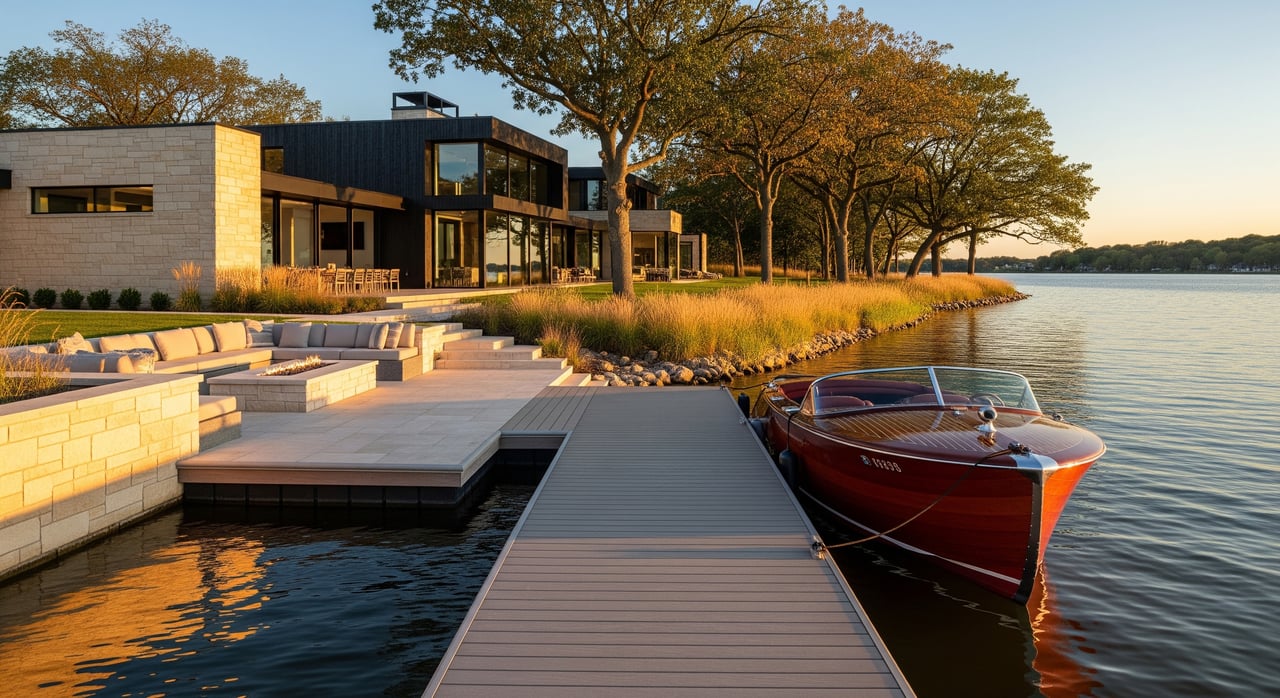
Dreaming of coffee on a quiet deck with sunrise over the water, then a short drive into Springfield for work or dinner? If you’re weighing a move to Lake Springfield, you’re not alone. Waterfront living offers big lifestyle perks along with unique rules, costs, and seasonal rhythms. In this guide, you’ll learn what daily life looks like, how housing and docks work, what to verify before you buy, and how to decide if the lake fits your goals. Let’s dive in.
Why live on Lake Springfield
Lake Springfield gives you easy recreation and scenic views close to the city. You can boat, fish, paddle, or simply enjoy the water from your yard. At the same time, you’ll want to plan for higher maintenance, added permitting steps for docks and shoreline work, and possible insurance considerations. If you like a water‑oriented lifestyle without giving up access to Springfield amenities, it’s a compelling option.
Housing options and market
You’ll find several home types around the lake:
- True waterfront single‑family homes with private shoreline and docks.
- Set‑back homes on larger lots with shared or community access.
- Older cottages and seasonal homes, some renovated, with smaller footprints.
- Occasional condo or planned‑community options near public access points.
Waterfront homes typically carry a price premium because shoreline and views are scarce. Inventory is often limited, so you may see low supply and competitive offers at times. For resale potential, pay close attention to dock rights, any visible shoreline erosion, water quality history, and proximity to public ramps or high‑traffic recreational zones.
Utilities vary by neighborhood. Some parcels connect to municipal water and sewer while others may rely on well or septic. Confirm the setup for each property through the City of Springfield and Sangamon County records so you know your ongoing costs and maintenance responsibilities.
Ownership, rights, and permits
Waterfront parcels may include riparian or littoral rights. The exact rights and any encumbrances will be spelled out in the deed and title documents. It’s common to see utility or access easements and HOA covenants recorded on lake‑area properties. Local ordinances can set setbacks and limit shoreline alterations, especially hardening like seawalls or bulkheads.
Before you buy or build, verify permits and rules with the City of Springfield for building and shoreline work. For boating registration and safety, look to the Illinois Department of Natural Resources. To understand flood risk, consult FEMA flood maps for the parcel. The Sangamon County Recorder and Assessor are key for deeds, taxes, and parcel history. For specific HOA rules, review community documents and fee schedules.
Docks and HOAs
If a private dock is important to you, make it a central part of your due diligence. New docks and major repairs typically require local permits, and some situations can trigger state or environmental review. Many lake neighborhoods use HOA guidelines to manage shared docks, guest slip policies, boat size limits, quiet hours, and seasonal dock removal.
Docks and lifts have lifecycles. Plan for periodic maintenance, winterization, hardware replacement, decking work, and potential storm damage. Your homeowners policy may need an endorsement for dock structures and watercraft. If you’re in an HOA, expect to show proof of insurance for shared facilities.
Boating, fishing, and parks
Lake life here welcomes a range of activities: powerboats, pontoons, fishing boats, kayaks and paddleboards, and jet skis where allowed. State boating rules apply across Illinois, including boat registration and safety equipment requirements. Around marinas, swim areas, residential shorelines, and the dam or launch zones, you’ll often see posted no‑wake areas. Follow local signage and seasonal maps.
Public ramps and at least one public marina or launch are typically available on popular lakes. Hours, fees, and services such as fuel or storage can change with seasons and staffing, so confirm details before you go. Anglers commonly target warm‑water species like largemouth bass, bluegill, crappie, and channel catfish. Licensing, bag limits, and any special regulations come from the Illinois Department of Natural Resources.
Swimming may be available at designated spots or along private shoreline, but take note of any water‑quality advisories and the presence or absence of lifeguards. Parks, trails, picnic areas, and playgrounds around the lake add to the lifestyle, and community events such as fishing tournaments or regattas can bring extra boat traffic and noise on select days.
Commute and daily logistics
Lake Springfield sits within the Springfield commuter area. Depending on your shoreline neighborhood and traffic, expect a 10 to 30 minute drive to downtown. You’ll use a mix of two‑lane county roads, paved neighborhood streets, and main arterials. In winter, rural stretches may be slower to clear, so check local snow removal practices if you plan to commute daily.
Emergency response times can vary with distance from central stations. For each property, look up the nearest fire station, EMS coverage, and hospital access. School district boundaries differ by location around the lake. Verify district maps for any address you are considering. Larger grocery stores, healthcare, and retail are concentrated in Springfield proper, so your convenience will depend on which side of the lake you choose.
Broadband and cellular service can be variable in waterfront and rural pockets. Fiber often concentrates in denser areas, while some lake lots rely on satellite or fixed wireless. If you work from home or stream frequently, test speeds during showings and ask providers about service levels.
Seasons and lifestyle shifts
- Spring: Boating season starts, you’ll install docks and lifts, and spring fishing picks up. Heavy rain or snowmelt can increase runoff and cloud the water.
- Summer: Peak activity arrives with more boat traffic and jet skis. You may see blue‑green algae advisories during warm spells. Expect more noise near public access and event zones.
- Fall: Cooler temperatures, fewer crowds, and great fishing. Many owners winterize boats and secure docks before freeze‑up.
- Winter: Ice cover can allow ice fishing or skating in some years, but thickness varies. Use caution and follow local advisories. Some roads are less prioritized for plowing, and many docks are removed or locked down.
Environmental risks to watch
Water quality changes with the seasons. Warm months can bring algae blooms that limit swimming or affect pets, depending on advisories. Shoreline erosion happens over time from wind, storms, and boat wakes. Look for rip‑rap, vegetation buffers, and records of past shoreline work during inspections.
Reservoir levels are managed, yet heavy rains and spillway events can impact low‑lying properties. Review FEMA flood maps for the parcel and consider flood insurance even if your lender does not require it. Expect typical Illinois lake wildlife like waterfowl, herons, turtles, and deer. These add to the setting but can create lawn or shoreline challenges. Mosquitoes and ticks increase in warmer months, especially near dense vegetation or standing water.
Smart buyer checklist
Use this list during showings and before you write an offer:
- Title and deed: Confirm riparian rights, easements, and any conservation or public access restrictions.
- HOA documents: Review CC&Rs, bylaws, fees, dock assignment policies, guest slip rules, and reserve funds.
- Permits and shoreline work: Request records for docks, seawalls, bulkheads, and stabilization projects.
- Flood zone: Check FEMA floodplain status and recent history. Price potential flood insurance.
- Utilities and services: Verify municipal water and sewer or schedule a septic inspection. Confirm power for lifts and broadband availability.
- Dock condition and access: Inspect age and structure of docks and lifts. Validate mooring rights and nearby public slip options if no private dock exists.
- Insurance: Get quotes that include water‑related coverage and watercraft policies. Ask about storm or wind exclusions.
- Environmental checks: Review recent water‑quality advisories and algae history for the area. Assess erosion conditions.
- Commute and response times: Drive the route to work and to the nearest hospital or fire station at real‑world times.
Site‑visit tips:
- Visit weekdays and weekends to gauge boat activity, noise, and traffic.
- If possible, view shoreline at lower and higher water to judge erosion and beach width.
- Speak with neighbors about seasonal patterns, HOA practices, and past storms or flooding.
Verify these five items first
Before you submit an offer, make sure you’ve confirmed:
- Deed‑level riparian rights for the parcel.
- Dock permit status and any HOA dock rules.
- Flood zone designation and flood insurance options.
- HOA fees and policies or the absence of an HOA.
- Utility connections, including water, sewer, and broadband.
A day on Lake Springfield
Picture an early weekday: you sip coffee as the sun lights the cove, then drive to downtown Springfield for a morning meeting. After work, you launch a quick paddle or cast for bass from your dock. Weekend afternoons bring friends on the pontoon and evening grilling with a sunset backdrop. On some summer weekends, expect more boat wakes and a livelier soundscape. In fall and winter, life turns quieter and you may use the time for gear storage, shoreline upkeep, and cozy indoor views.
Ready to explore lake homes?
You deserve a clear plan, confident negotiations, and guidance tailored to Lake Springfield’s unique rules. Our team has deep local experience helping buyers secure the right shoreline, verify permits, and navigate HOAs, docks, insurance, and utilities. If you’re considering a move, we can set up targeted alerts, coordinate expert inspections, and walk you through every step from first tour to closing. Connect with Melissa Vorreyer to start your search or get your instant home valuation.
FAQs
What kinds of boats can you use on Lake Springfield?
- You can expect powerboats, pontoons, fishing boats, kayaks and paddleboards, and jet skis where allowed; follow Illinois state boating rules and local lake ordinances.
Do you need flood insurance for a Lake Springfield home?
- It depends on the property’s FEMA flood zone and your lender’s requirements; review maps for the parcel and price coverage even if it isn’t required.
How long is the commute from Lake Springfield to downtown?
- Many lake neighborhoods are about 10 to 30 minutes from downtown Springfield, depending on the specific location and traffic conditions.
Can you build a private dock on Lake Springfield?
- Possibly, but you’ll need local permits and, in some cases, state or environmental review; verify HOA rules, shoreline classifications, and permit pathways before planning.
What is winter like for lake access and roads?
- Ice thickness varies year to year, many owners remove or secure docks, and some rural roads see slower snow clearing; plan your winter access and safety accordingly.
Are there HOAs around Lake Springfield and what do they do?
- Some neighborhoods have HOAs that manage docks, access, architectural controls, fees, and quiet‑hour rules; review documents for each community you consider.