By Melissa Vorreyer
Springfield's stable foundation of government, healthcare, and university employment produces the kind of consistent rental demand that investors in larger, more expensive markets spend years chasing. The city's proximity to Lake Springfield, its Route 66 heritage, its calendar of major events (including the Illinois State Fair), and its stock of architecturally distinguished historic properties make it a compelling destination for buyers considering a second home for personal use.
Read on to learn how these two purchase types differ, how lenders and the IRS treat them, and what each approach looks like in practice in Springfield.
Key Takeaways
-
The second home vs investment property distinction is defined by how you use the property
-
Lenders treat these two property types differently, which affects your down payment, interest rate, and qualification requirements
-
Tax treatment differs substantially between second homes and investment properties, and the differences favor each type in different ways
-
Springfield's market supports both approaches with its affordability, stable rental demand, and lifestyle amenities
How Lenders Define and Treat Each Property Type
Before the IRS enters the picture, your lender is the first institution that needs to classify your purchase.
What Lenders Look For in Each Category
-
Second home occupancy requirement: Lenders typically require that a second home be occupied by the owner for a meaningful portion of the year and that it not be subject to a rental management agreement or full-time tenant arrangement.
-
Second home down payment: Most conventional lenders require a minimum of 10 percent down on a second home, compared to 20 to 25 percent for an investment property, which meaningfully affects the capital required at closing.
-
Investment property interest rates: Lenders price investment property loans at a higher interest rate than primary residences or second homes, reflecting the greater default risk associated with non-owner-occupied properties.
-
Rental income and qualification: When buying an investment property, lenders may allow a portion of projected rental income to offset the debt-to-income calculation.
How the IRS Treats Second Homes vs. Investment Properties
The tax treatment of each property type is meaningfully different, and the differences shape the financial profile of each ownership strategy over time.
Tax Distinctions That Matter to Buyers in Both Categories
-
Mortgage interest deduction on a second home: Buyers can generally deduct mortgage interest on a second home as they would on a primary residence, subject to the combined loan limit across both properties.
-
Investment property deductions: Owners of investment properties can deduct a much broader range of expenses, which can substantially reduce taxable rental income.
-
The 14-day rule: If you rent your second home for fewer than 14 days per year, the rental income is generally tax-free, and the property is still treated as a personal residence for tax purposes.
-
Capital gains treatment: When you sell a primary residence you have lived in for two of the past five years, you may exclude up to $250,000 in gains from taxation.
What a Second Home Looks Like in Springfield
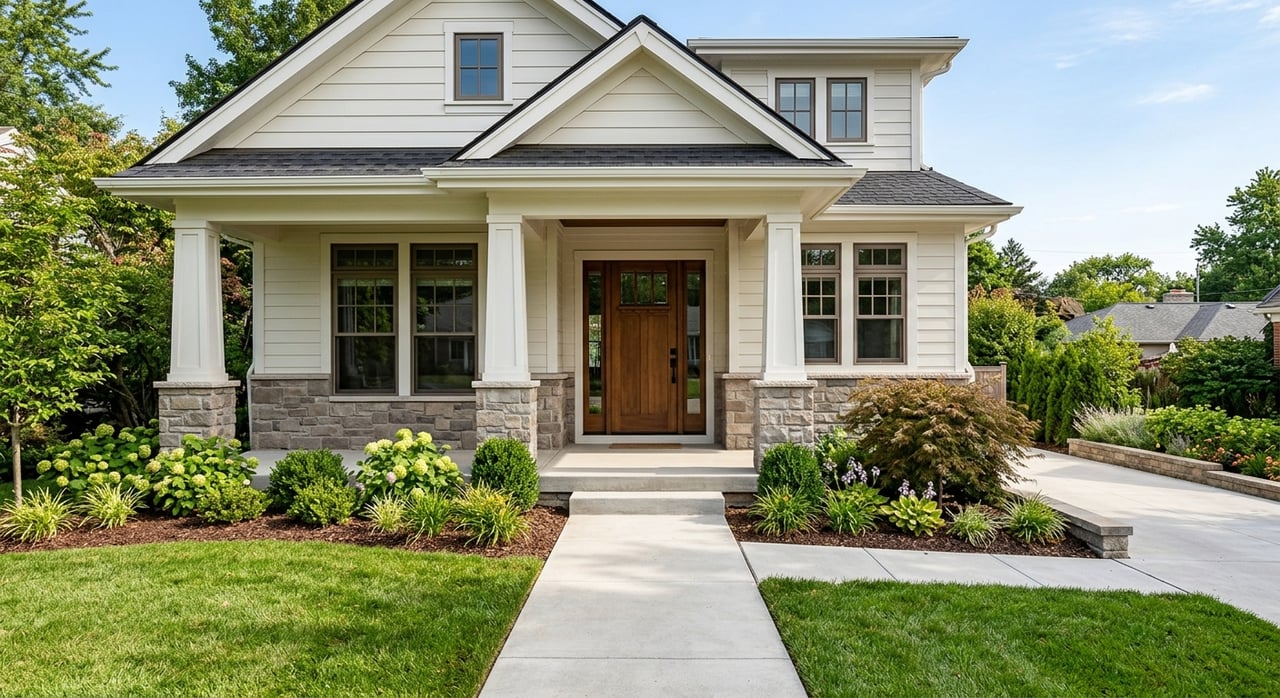
Springfield's combination of lifestyle amenities, historic character, and affordability makes it a genuine contender for buyers considering a second home.
Why Springfield Works as a Second Home Market
-
Lake Springfield access: Properties along Lake Springfield's 57 miles of shoreline offer the waterfront lifestyle that typically commands a significant premium in other markets, at price points that remain accessible in Springfield.
-
Historic home inventory: Springfield's stock of restored Victorian, Prairie Style, and early 20th-century homes offers second home buyers the architectural character and craftsmanship that are increasingly rare at comparable price points elsewhere in Illinois.
-
Proximity from Chicago and St. Louis: Springfield sits roughly three hours from Chicago and 90 minutes from St. Louis, making it a practical weekend destination for buyers based in either metro who want a central Illinois retreat without a long drive.
What an Investment Property Looks Like in Springfield
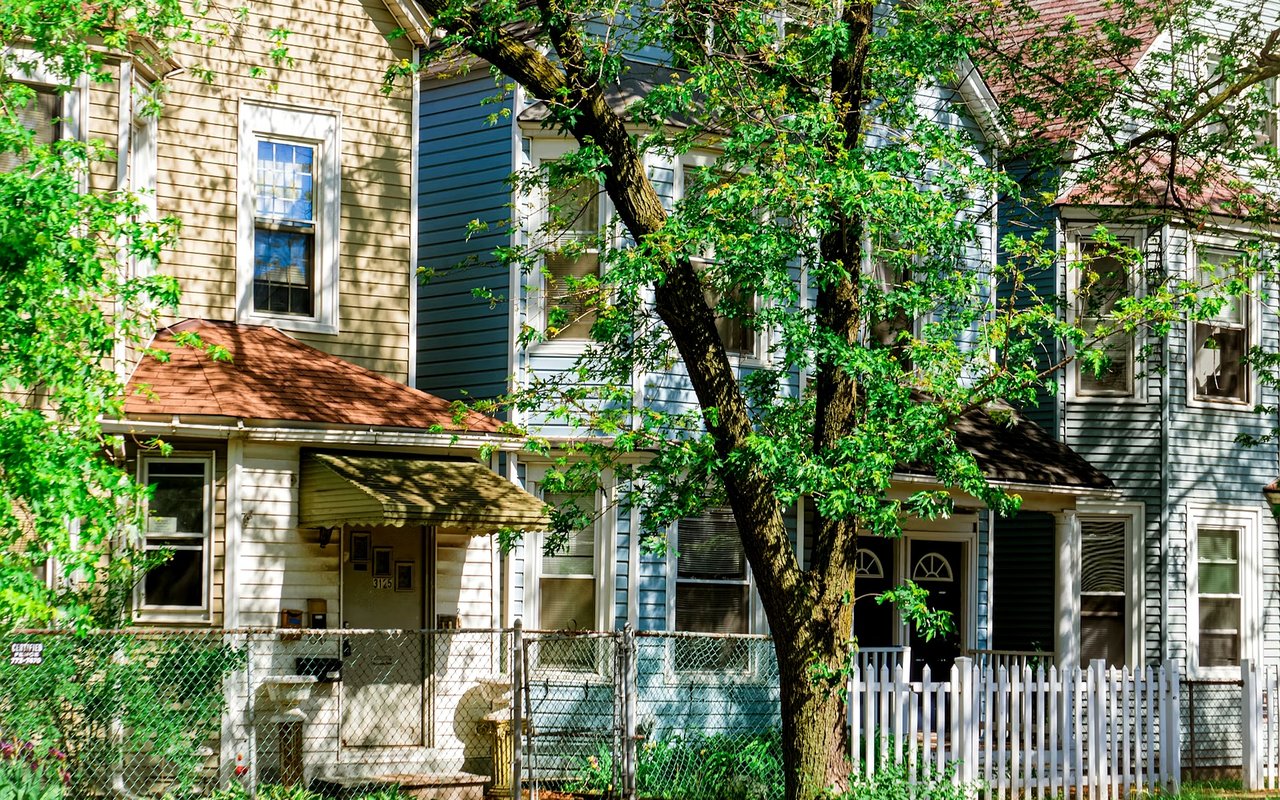
Investors stand to benefit from a stable employment base anchored by state government, healthcare, and two university campuses produces reliable long-term rental demand and entry-level price points.
Why Springfield's Market Works for Investors
-
Affordable entry points: With median home prices around $160,000, Springfield allows investors to enter the market with meaningful capital reserves remaining.
-
Government employment stability: The State of Illinois is Springfield's largest employer, with approximately 17,000 state employees in Sangamon County alone.
-
University and healthcare tenant base: The University of Illinois Springfield and SIU School of Medicine create consistent demand for rental housing from students, faculty, and medical professionals who rotate through the market regularly.
-
Short-term rental opportunity: AirDNA rated Springfield's short-term rental market with a market grade of 98 out of 100 in 2025, driven by Lincoln-related tourism, the Illinois State Fair, and Route 66 visitor traffic.
FAQs
Can I rent out my second home occasionally without it being reclassified as an investment property?
Yes, within limits. The IRS generally allows second home owners to rent the property for up to 14 days per year without triggering investment property tax treatment or requiring rental income to be reported. Beyond that threshold, the property enters mixed-use territory, and the tax treatment becomes more complex.
Do I need a property manager for an investment property in Springfield?
Not necessarily, but it depends on your proximity to the property and your capacity to manage tenant relationships, maintenance requests, and leasing activity.
How does Springfield's property tax rate affect the investment case?
Illinois has one of the higher property tax rates in the country, and this is a real factor in any investment calculation for Springfield properties.
Contact Melissa Vorreyer Today
Springfield's affordability, its stable tenant base, its Lake Springfield lifestyle, and its inventory of architecturally significant historic properties make it a market that genuinely supports both sides of the second home vs investment property conversation. The right choice depends entirely on what you are trying to accomplish.
Connect with me, Melissa Vorreyer, and let's compare specific properties to your goals, whether that means a weekend retreat on the lake, a long-term rental near the Capitol, or a short-term property positioned for the city's visitor traffic.
Connect with me, Melissa Vorreyer, and let's compare specific properties to your goals, whether that means a weekend retreat on the lake, a long-term rental near the Capitol, or a short-term property positioned for the city's visitor traffic.