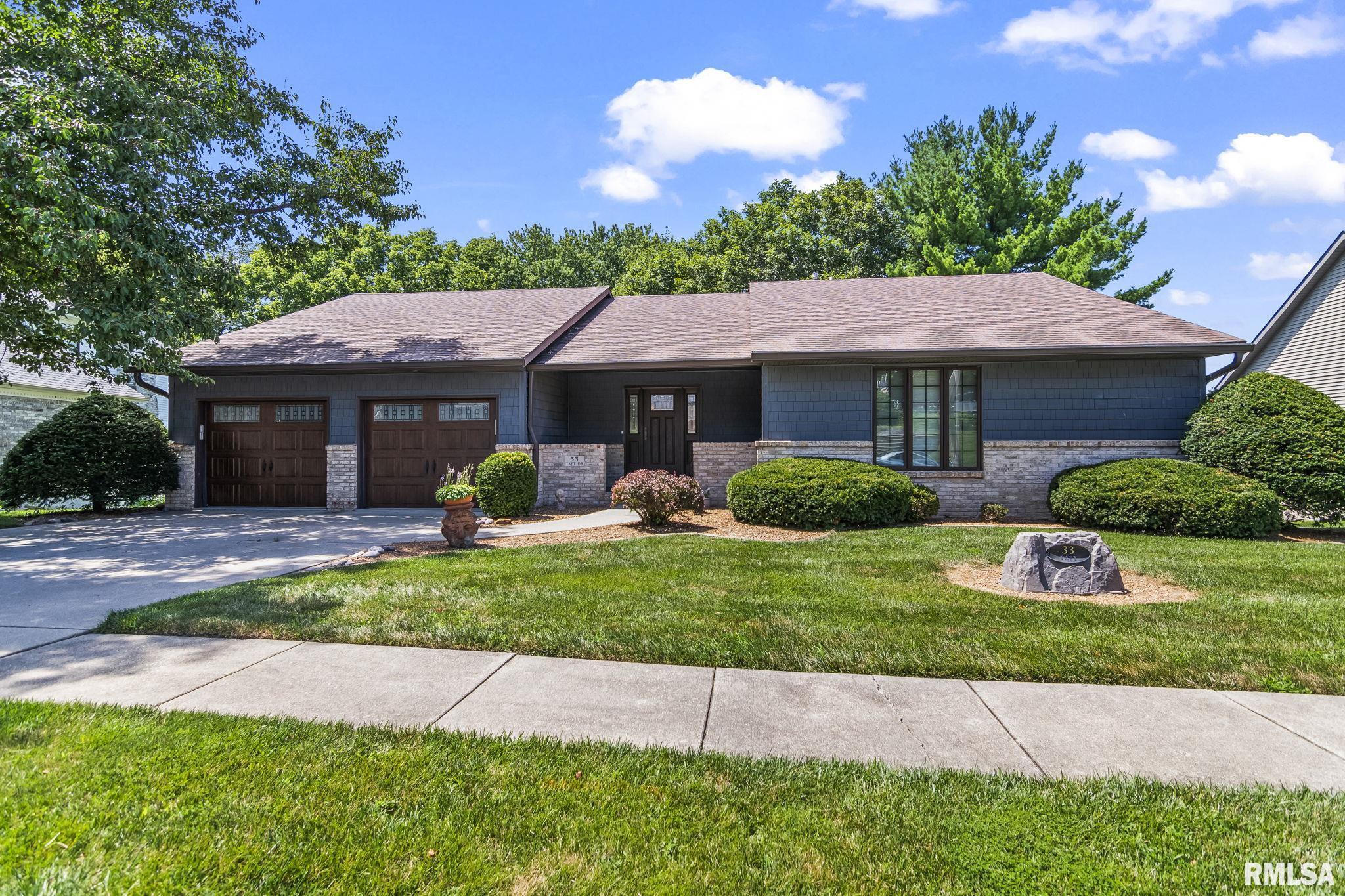
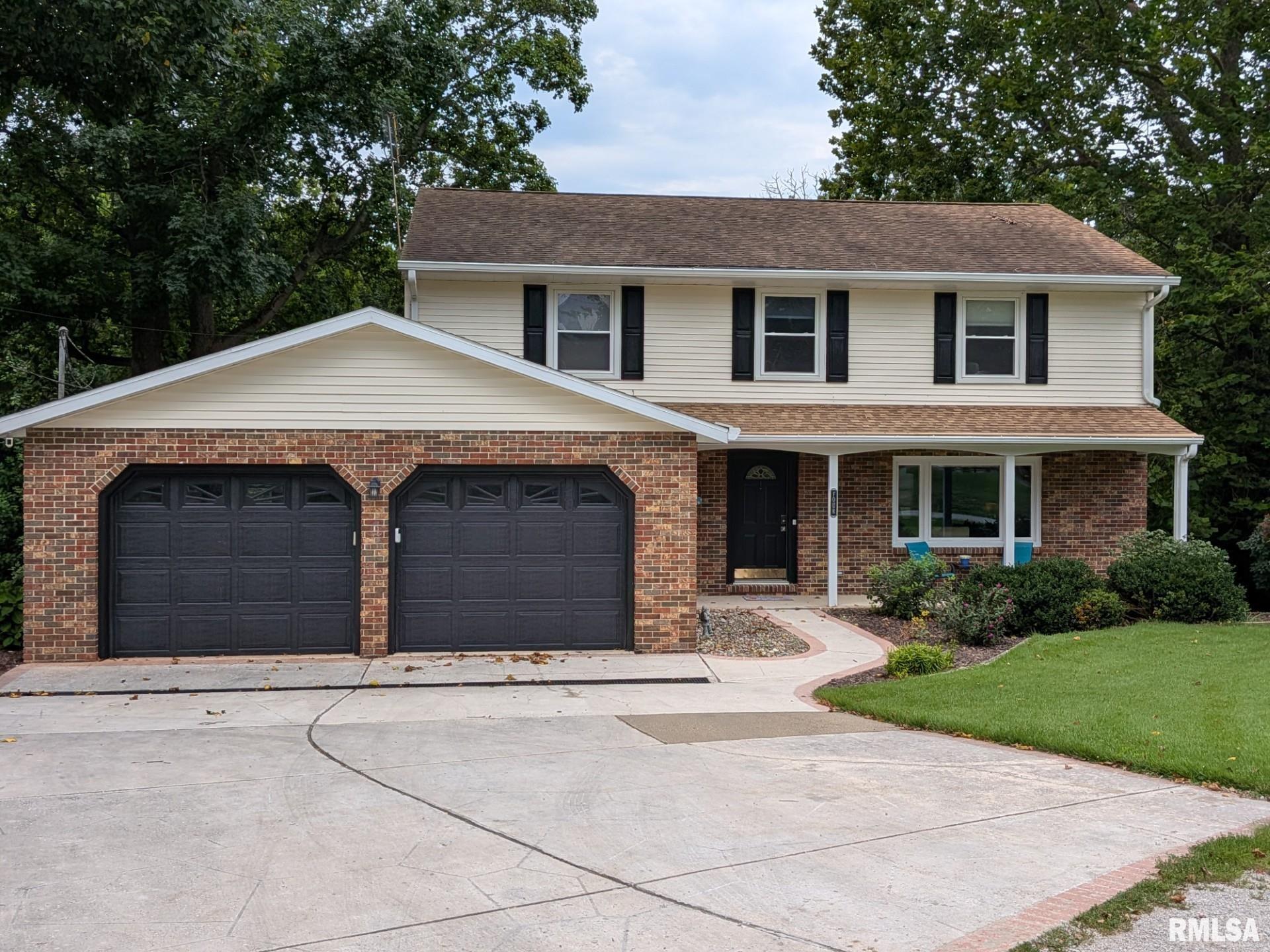
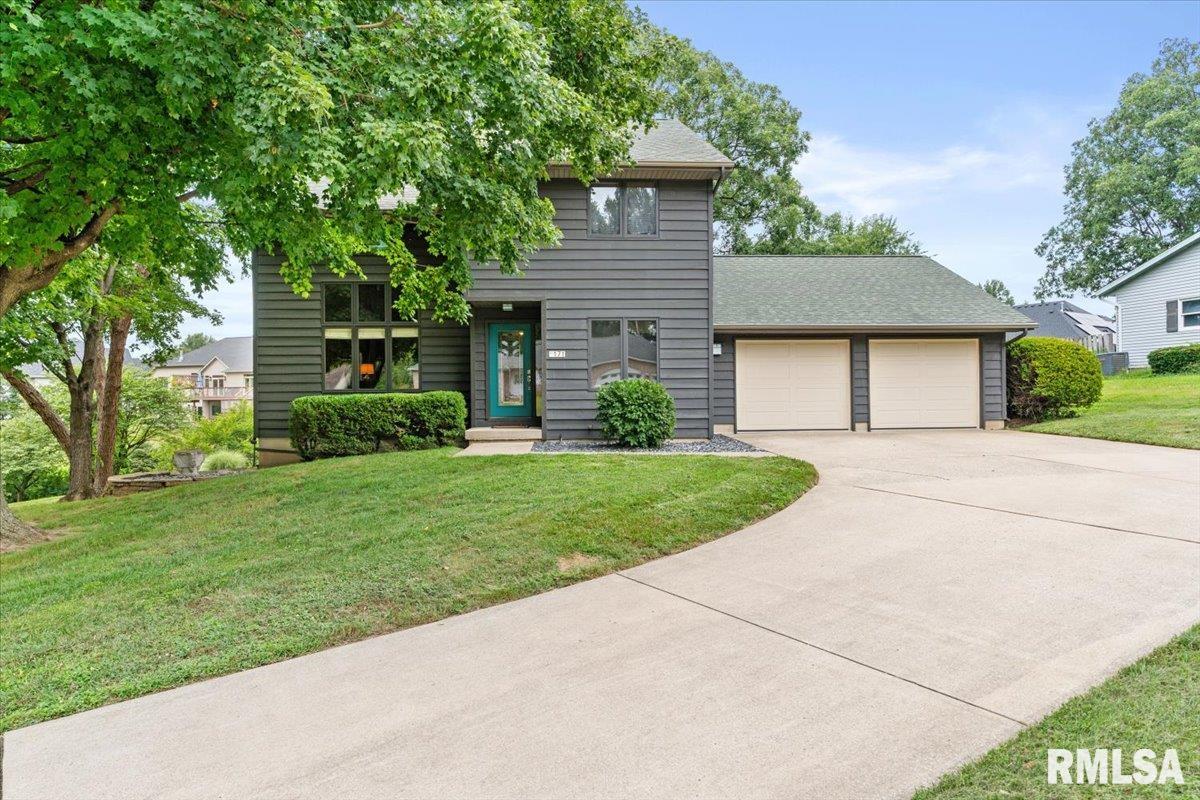
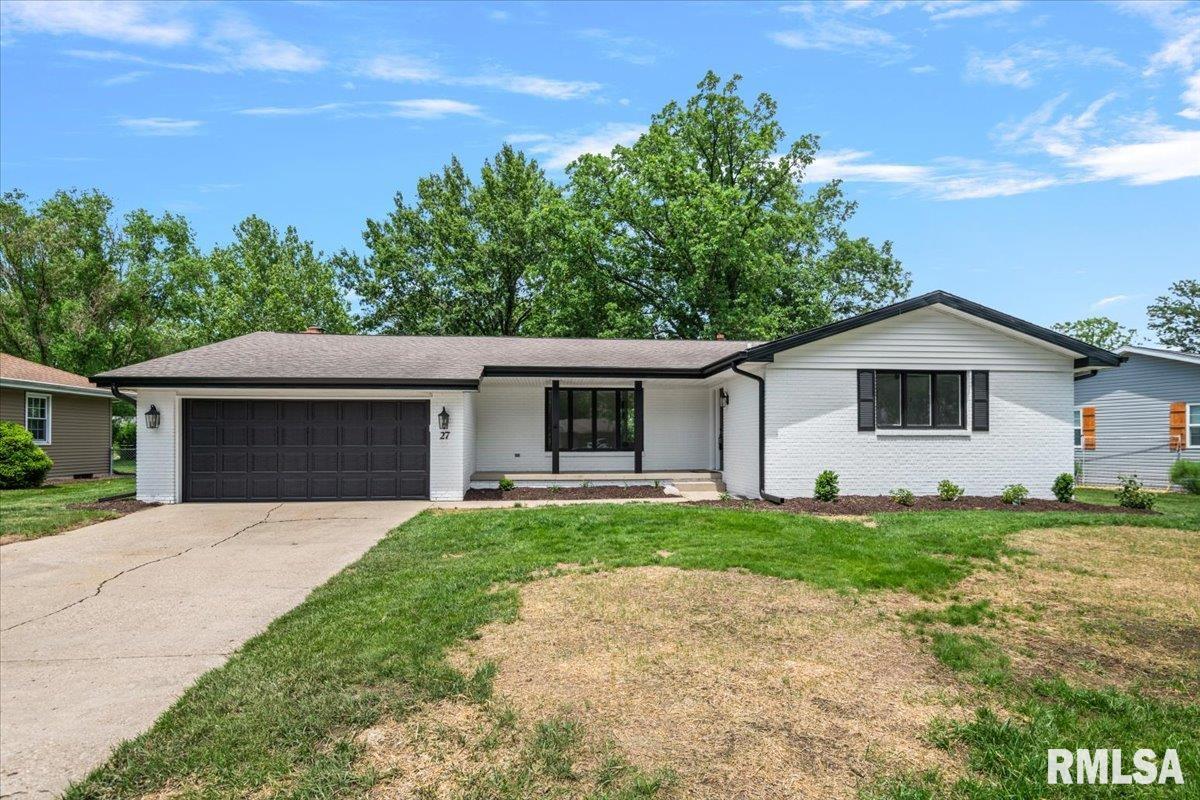
There is a reason Niche ranks Rochester among the top places to buy a house in all of Illinois, top suburbs to raise a family in the Springfield metro, and one of the best places to live in the state. The village delivers something increasingly hard to find: a tight-knit community where you genuinely know your neighbors, one of the top-ranked school districts in central Illinois, a cost of living that makes homeownership attainable, and a location that puts Springfield's full range of employment and amenities within a 15-minute drive.
Rochester sits approximately 4 to 5 miles east of Springfield along Illinois Route 29, in Sangamon County. It is a small village — around 4,000 residents — and that scale is a feature, not a limitation. Residents consistently describe the same experience: the community feels connected, local businesses feel personal, and events like Sparks in the Park and the fall festival draw the kind of turnout that larger suburbs simply cannot replicate. Property values have grown nearly 40% since 2000, the poverty rate is among the lowest in Illinois at 2.5%, and the median household income of $117,118 places Rochester well above state and national medians.
This guide covers the history, lifestyle, real estate market, schools, amenities, neighborhoods, and investment picture for Rochester, Illinois.
| Key Facts: Rochester, IL | |
|---|---|
| County | Sangamon County |
| Community Type | Incorporated village; part of the Springfield Metropolitan Statistical Area |
| Location | Approximately 4–5 miles east of Springfield via Illinois Route 29; settled 1819 |
| Population | 3,857 (July 2025 estimate); 2020 Census recorded 3,863; population up 39.8% since 2000 |
| Village Area | 2.43 square miles; elevation approximately 577 feet |
| Median Age | 39.8 years |
| Median Household Income | $117,118 (2024 data) |
| Poverty Rate | 2.5% — among the lowest in Illinois |
| Cost of Living Index | 84.9 (below the U.S. average of 100 — notably affordable) |
| School District | Rochester Community Unit School District 3A (preK–12); ranked #2 best high school in the Springfield metro by U.S. News |
| ZIP Code | 62563 |
| Highway Access | Illinois Route 29 (direct to Springfield), I-55 exit 96A (approximately 5–8 min), I-72 accessible via Springfield |
| Nearby Cities | Springfield (west, approximately 4–5 miles), Chatham (southwest), Riverton (north) |
| Niche Rankings (2025) | #8 best suburb to buy a house in Illinois; #3 best suburb to raise a family in the Springfield area; overall grade A |
Rochester Lifestyle Snapshot
An editorial snapshot of the village's strongest lifestyle attributes, not a statistical ranking.
Rochester is the kind of community that earns its reputation organically, through residents who came, stayed, and keep recommending it to people they know. Niche users give the village an overall grade of A and a 4.1-star average based on reviews that consistently highlight the same themes: safety, school spirit, local events, a strong sense of belonging, and the practical appeal of being minutes from Springfield's full range of services without sacrificing the quiet and character of a small village.
The numbers reflect what residents describe. The poverty rate of 2.5% is one of the lowest in Illinois. The median household income of $117,118 is well above both the state and national medians. The homeownership rate is high, and the population has grown nearly 40% since 2000, which is strong organic growth for a central Illinois village driven entirely by residential demand rather than speculative development.
Rochester ranks #8 best suburb to buy a house in all of Illinois and #3 best suburb to raise a family in the Springfield metro area by Niche. For a village of fewer than 4,000 people in central Illinois, those are standout marks that reflect the consistency of what Rochester delivers: safety, school quality, community identity, and real affordability.
Rochester's roots reach back further than most Illinois villages. The area was first settled in 1819, just two years after Illinois achieved statehood, making Rochester one of the earliest established communities in Sangamon County. The land along the South Fork of the Sangamon River and Sugar Creek offered both water access and fertile prairie soil that drew frontier families who were building the new state from the ground up.
The village developed steadily through the 19th century as an agricultural and service community for the surrounding township. The railroad connection that arrived in the region in the mid-1800s linked Rochester more closely to Springfield's economy, and the village began to take on the suburban character that defines it today. The original village core along North John Street and Walnut Street still contains buildings that reflect Rochester's early commercial identity, and the Rochester State Bank, established in 1912, remains one of the longest-standing institutional landmarks in the village.
The most dramatic chapter in Rochester's modern history is its population growth. In 2000, the village had 2,893 residents. By 2025, that figure had grown to approximately 3,857 — an increase of nearly 40% driven almost entirely by families choosing Rochester for its school district, its safety, and its quiet position east of Springfield. New residential subdivisions expanded the village footprint during the 2000s and 2010s, and continued growth into the 2020s has brought new students into the school system and new energy into the community's annual events and civic life.
Rochester High School opened the Rochester Athletic Complex in 2010, and the Rochester Intermediate School followed in 2011 — both physical signs of a community investing in its children and growing into the next chapter of its identity. Today, the village is recognized statewide as one of the best places in Illinois to buy a home and raise a family, a reputation built slowly and earned through the choices of the thousands of households who chose to put down roots here.
The Lost Bridge Trail is one of Rochester's most distinctive outdoor assets, crossing the South Fork of the Sangamon River and Sugar Creek near the village. The trail takes its name from a historical bridge over Sugar Creek that was dismantled for scrap metal. Plans to extend the trail southward toward Taylorville are ongoing, and a portion of that extension has already been completed, making the trail a growing recreational corridor for Rochester residents and the broader Sangamon County community.
Rochester's location 4 to 5 miles east of Springfield via Illinois Route 29 is one of its defining practical advantages. Route 29 is a direct, two-lane corridor that connects the village to Springfield's eastern side, placing most residents within 15 to 20 minutes of downtown Springfield, the State Capitol, and major employers including HSHS St. John's Hospital, Memorial Medical Center, and the University of Illinois Springfield. Interstate 55 is accessible approximately 5 to 8 minutes from Rochester via Veterans Parkway or Sangamon Avenue, providing regional connections south to St. Louis and north toward Chicago.
| Destination | Approximate Distance / Time | Route |
|---|---|---|
| Springfield downtown / State Capitol | 5 miles / 12–18 min | Illinois Route 29 west directly into Springfield |
| HSHS St. John's Hospital (Springfield) | 7 miles / 15–20 min | Route 29 west to Springfield |
| Memorial Medical Center (Springfield) | 8 miles / 18–25 min | Route 29 west, then Wabash Avenue |
| University of Illinois Springfield | 7 miles / 15–22 min | Route 29 west to UIS campus |
| Interstate 55 (to St. Louis or Chicago) | 5 miles / 8–12 min | Veterans Parkway or Sangamon Avenue west to I-55 |
| Abraham Lincoln Capital Airport (SPI) | 9 miles / 15–20 min | Route 29 west then north |
| St. Louis, MO | 83 miles / 80–95 min | I-55 south |
| Chicago, IL | 188 miles / 2.5–3 hr | I-55 north |
Like most central Illinois villages, Rochester is a car-dependent community for daily errands and commutes. There is no local bus service, and residents drive to Springfield for most shopping, dining, and services beyond what the village itself provides. The Route 29 corridor is well-maintained and the commute to Springfield is straightforward outside of peak hours near school dismissal times. Most residents working in Springfield report a predictable, low-stress commute compared to larger metro areas — and that quality of commute is one of the consistent reasons cited for choosing Rochester over neighborhoods within Springfield's city limits.
Rochester's real estate market is one of the strongest in the Springfield metro area by any measure. Redfin rates it "very competitive," with many homes receiving multiple offers, some with waived contingencies. The average home value has risen 8% year-over-year to approximately $291,116 per Zillow — and this appreciation is happening from a price base that is still meaningfully below the national median, meaning buyers are getting real value, not overpaying for a hot market.
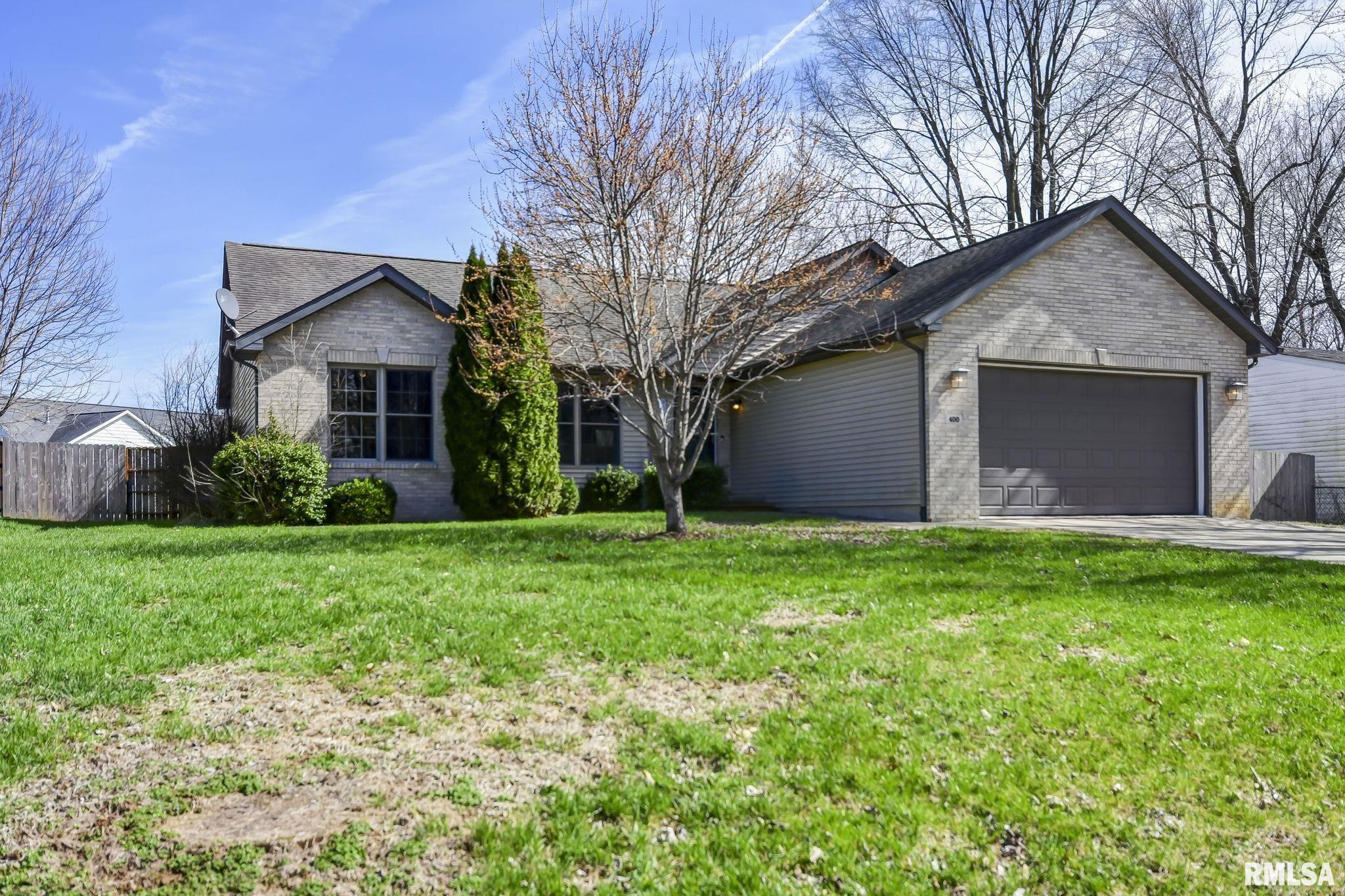
The combination of low inventory, consistent demand from families seeking the Rochester school district, and a cost of living index of 84.9 (below the U.S. average) creates a market where well-priced homes move quickly and sellers hold firm on pricing. Recent sales data shows homes ranging from the low $200s for smaller or older properties to the low $400s and above for newer four-bedroom builds on desirable lots.
| Property Segment | Market Character | Buyer Consideration |
|---|---|---|
| Established single-family (The Woodlands, Lakewood) | High demand; most inventory in the market; move-in-ready homes go quickly | Four-bedroom homes in the $290K–$425K range; buyers should be pre-approved and ready to act within days of listing |
| New construction single-family | Active builder presence; newer floor plans with modern kitchens and open layouts | Builder pricing with limited negotiation; strong demand from young families; check for HOA covenants |
| Entry-level and smaller single-family | Thin inventory; competitive for first-time buyers; some homes in the $185K–$250K range | Best opportunity for buyers entering the market; condition and location within the district matter significantly to resale |
| Acreage and rural-adjacent properties | Larger lots along New City Road and township roads; slower pace of sales | Buyers seeking more land; longer marketing times; well-maintained rural properties in the $290K–$410K range based on recent sales |
One factor that consistently shapes buyer behavior in Rochester is the school district. Families who have decided they want Rochester CUSD 3A schools are not cross-shopping other villages — they are specifically targeting properties within the district boundary. That school-driven demand narrows the buyer pool in the best possible way for sellers and creates a durable floor under values that persists even when the broader market softens.
Rochester's cost of living index of 84.9 is one of its most compelling buyer arguments. It means everyday expenses — from groceries to services to property carrying costs — run about 15% below the national average. For buyers coming from larger metro areas, that difference translates directly into lifestyle: more house, lower monthly overhead, and more disposable income on the same salary.
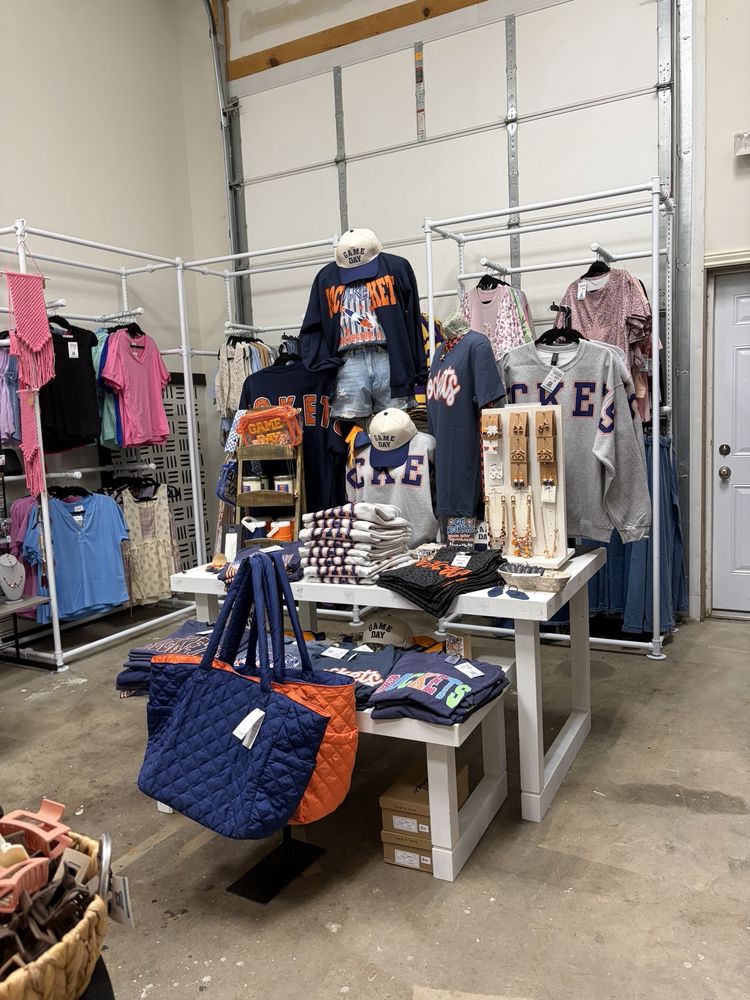
Rochester's lifestyle is best understood through what residents consistently say about it. The community feels genuinely connected. The schools anchor a sense of collective pride that extends beyond the campus — signs and spirit wear are visible throughout the village during the Rockets' sports seasons, and community events draw impressive turnout for a village of this size. That social fabric is not manufactured; it develops naturally when people stay, invest in their homes, and choose to participate in the community around them.
Rochester's annual Fourth of July celebration, held at the village park, is one of the community's most attended and widely loved events. Residents and families from across the district come together for fireworks, food, and festivities that reflect the kind of civic engagement the village is known for. One of many annual events that give Rochester a genuine small-town calendar.
An annual community gathering that brings local businesses, food vendors, and families together at the village park each autumn. Consistent with the community character that Niche reviewers reference when describing Rochester — accessible, family-friendly, and a reason to look forward to the season.
A clean, well-maintained community park that serves as the center of Rochester's public outdoor life. Walking and biking paths, playground facilities, and green space make it a daily destination for families. Niche residents specifically praise the park as one of the village's strongest everyday assets.
A multi-use trail crossing the South Fork of the Sangamon River and Sugar Creek near Rochester, with ongoing extensions planned toward Taylorville. A portion of the Taylorville extension has already been completed, adding trail miles for cyclists, walkers, and runners who use this greenway corridor as part of their regular outdoor routine.
Opened in 2010 on the Route 29 campus, the Rochester Athletic Complex gives the school district a modern facility for track and field, football, baseball, softball, and six tennis courts. Athletic events here draw consistent community turnout and are a defining part of Rochester's community calendar during the fall and spring sports seasons.
Springfield is 15 minutes west, putting Rochester residents within easy reach of the Abraham Lincoln Presidential Library and Museum, Lake Springfield, the BOS Center arena for concerts and events, the Illinois State Fairgrounds, Washington Park, and a full range of dining and regional retail that Rochester's village-scale commercial footprint does not replicate on its own.
Rochester is a residential village with a local commercial strip rather than a destination retail district. That is by design and by scale — and the tradeoff is a residential environment that is quieter and more cohesive than communities that have traded residential character for commercial density. Everyday needs are met in Rochester or along Route 29 on the approach to Springfield. For a broader range of dining, shopping, healthcare, and entertainment, Springfield is a 15-minute drive that puts residents in reach of a full capital-city amenity set.
| Category | What's Available |
|---|---|
| Grocery & Everyday | Local convenience and service options within Rochester; Meijer, Walmart Supercenter, Aldi, and Schnucks all accessible in Springfield within 15–20 minutes via Route 29 |
| Dining | Local restaurants and casual dining within the village provide a cozy, regular-patronage experience that residents specifically value; Springfield's full dining range — including downtown restaurants and South Grand corridor — accessible within 15–20 minutes |
| Healthcare | HSHS Medical Group and local physician practices in the Route 29 corridor; HSHS St. John's Hospital and Memorial Medical Center (both full-service hospitals) in Springfield approximately 15–22 minutes west; urgent care and specialist offices throughout the Springfield metro accessible in under 20 minutes |
| Banking | Rochester State Bank (established 1912) at 133 N. John Street — one of the village's most enduring institutions; additional bank branches accessible in Springfield |
| Recreation | Rochester Village Park (walking, biking, playground, green space), Rochester Athletic Complex, Lost Bridge Trail, Lake Springfield (boating, fishing, Bridgeview Beach approximately 15 min west), Lincoln Memorial Garden and Nature Center on Lake Springfield's shore |
| Shopping | Everyday retail accessible locally; White Oaks Mall, Scheels All Sports, Shoppes at College Hills, and Target all within 15–20 minutes in Springfield |
| Arts & Culture | Rochester community events year-round including Sparks in the Park, fall festival, and school productions; Springfield's Abraham Lincoln Presidential Library and Museum, Illinois State Museum, Dana-Thomas House, and downtown entertainment district all within 15–20 minutes |
Lake Springfield, a 4,200-acre reservoir created by City Water, Light and Power, is one of the most used outdoor recreation assets accessible to Rochester residents. Bridgeview Beach, boating, fishing, and the Lincoln Memorial Garden and Nature Center on the lake's eastern shore are approximately 15 minutes west. It is a significant quality-of-life amenity for families and outdoor enthusiasts that Rochester's immediate footprint does not independently provide but its location makes genuinely accessible.
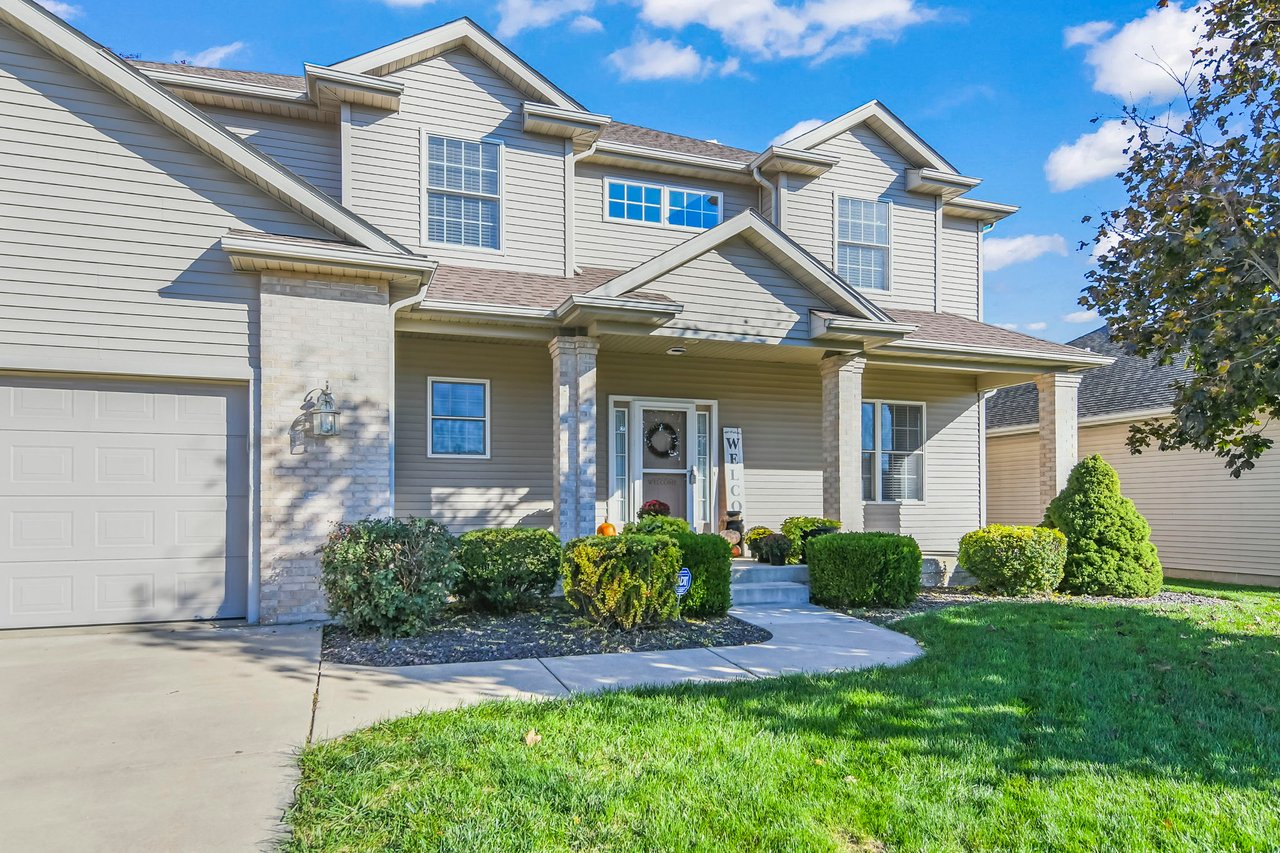
Rochester's residential landscape is compact — the entire village covers just 2.43 square miles — but within that footprint, distinct residential settings have developed over the decades since the village began its post-2000 growth. The older housing core around John Street and Walnut Street reflects the original village character, while newer subdivisions to the north and east along Route 29 bring larger floor plans, more contemporary finishes, and the kind of cul-de-sac neighborhood geometry that young families recognize from similar communities.
One of Rochester's most recognized subdivision addresses, featuring larger single-family homes, established tree canopy, and a community feel that residents routinely cite as a draw. Corner lots and mature landscaping give the neighborhood a finished, established quality that newer builds often take a decade to achieve. Proximity to Rochester High School and the Route 29 corridor is an added convenience.
A residential area within Rochester with access to the trail network and a quiet suburban feel. Homes here offer good value per square foot relative to newer builds, and the established character of the streets provides the kind of neighborhood identity that younger subdivisions are still working to develop.
Newer residential developments along and off Route 29 include some of Rochester's most recently built single-family homes, with open floor plans, modern kitchens, and attached garages. These neighborhoods are popular with young families who want the newest product and appreciate quick access to the highway connection toward Springfield.
The streets around N. John Street, Walnut, and the historic commercial center give buyers access to Rochester's oldest residential character — modest homes on established lots, walkable to the Rochester State Bank, local businesses, and the village park. A distinct setting for buyers who value the pace and feel of an original small-town streetscape.
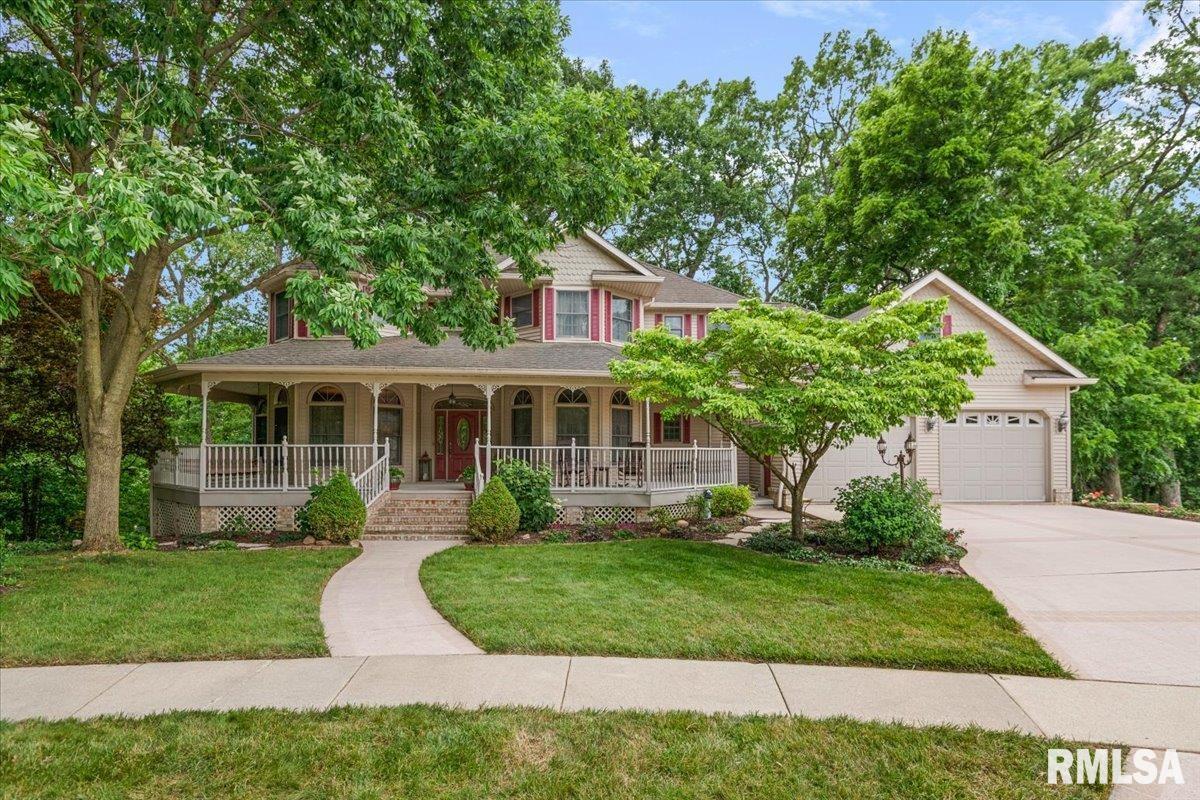
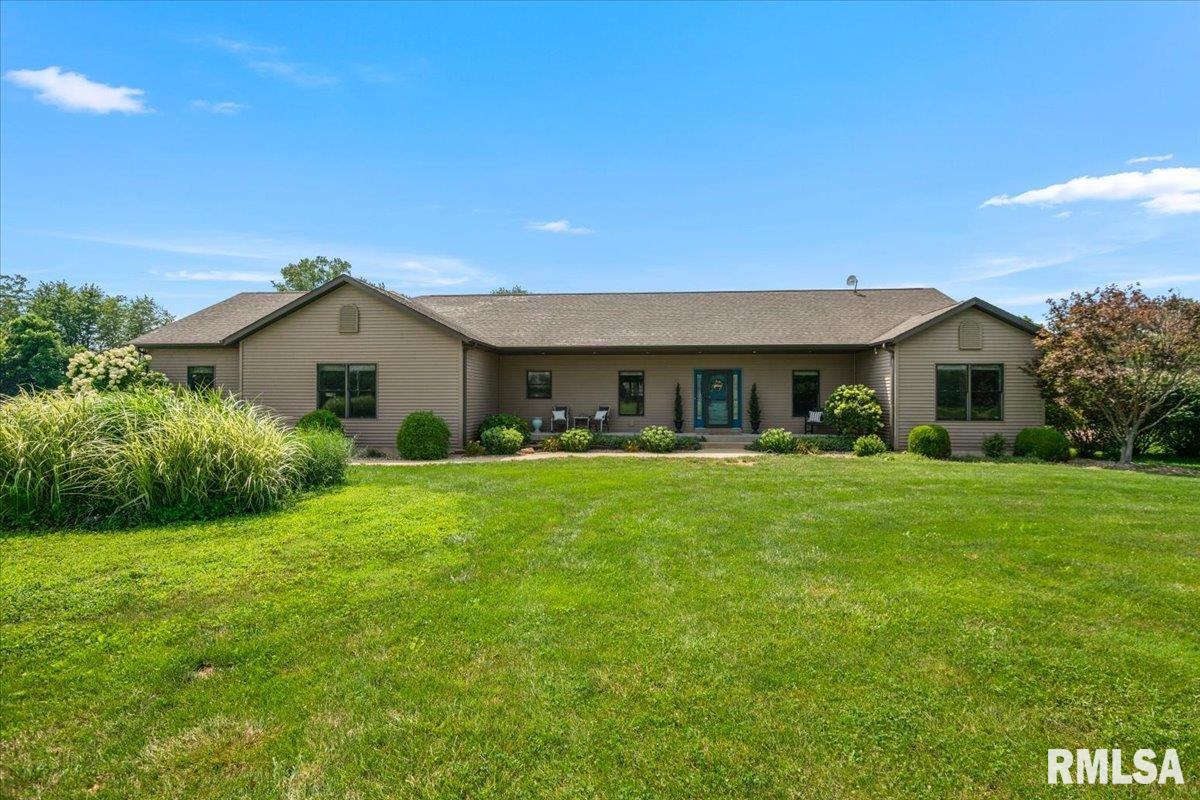
Properties along New City Road and the edges of the township offer buyers larger lots with more space between neighbors. Recent sales along this corridor have included four-bedroom homes on generous lots in the $290K–$410K range, appealing to buyers who want the school district without being in a densely subdivided area.
Builder activity within Rochester's district boundary continues to bring new inventory to market each year. Buyers seeking brand-new construction with builder warranties, energy-efficient systems, and contemporary design will find options in the village and in the adjacent township areas served by Rochester CUSD 3A.
| Area | Character | Best For |
|---|---|---|
| The Woodlands | Established, larger homes, mature trees | Families wanting a finished neighborhood feel with space and the district's most recognized address |
| Lakewood Area | Established, trail access, quiet streets | Buyers seeking good value in a well-established residential setting with trail access |
| Route 29 Corridor | Newer builds, open floor plans, highway access | Young families wanting newer construction with a quick commute into Springfield |
| Original Village Core | Historic, small-town, walkable to local services | Buyers who want established character and the original Rochester village feel |
| New City Road / Rural-Adjacent | Larger lots, more space, rural-suburban blend | Buyers who want the district and more land; slower marketing pace but strong value per square foot |
The schools are the reason most families give for choosing Rochester. Rochester CUSD 3A provides a complete preK-through-12 public education within the district, with a campus that shares the high school and junior high buildings and a dedicated intermediate school that opened in 2011. Rochester High School has been named the #2 best high school in the Springfield metro by U.S. News and World Report, with a graduation rate of 95% and a strong AP program in which 33% of students participate. SchoolDigger ranks the high school 116th of 698 Illinois high schools and rates it four out of five stars, placing it in the top 17% statewide.
| School / District | Type / Grades | Notes |
|---|---|---|
| Rochester Community Unit School District 3A | Public preK–12; 2,047 students; 16:1 student-teacher ratio | Serves Rochester, Buckhart, and portions of eastern Springfield; highly rated by Niche; complete preK–12 pipeline within the district; staff count of 273 |
| Rochester Elementary EC–1 | Public preK–Grade 1; Rochester CUSD 3A | The district's early childhood and primary entry point; serves the earliest grades in a dedicated elementary building |
| Rochester Elementary 2–3 | Public Grades 2–3; Rochester CUSD 3A | Provides a focused two-grade environment for students in the transition years of early elementary education |
| Rochester Intermediate School | Public Grades 4–6; Rochester CUSD 3A | Opened January 2011 as part of the district's investment in dedicated middle-grade facilities; shares the Route 29 campus with the high school complex |
| Rochester Junior High School | Public Grades 7–8; Rochester CUSD 3A | Located on the shared high school campus on Rocket Drive; feeds directly into Rochester High School |
| Rochester High School | Public 9–12; Rochester CUSD 3A; enrollment 692–709 (2024–25) | Ranked #2 best high school in the Springfield metro by U.S. News; ranked 116th of 698 Illinois high schools by SchoolDigger (top 17% statewide); 4/5 SchoolDigger stars; 95% graduation rate; 33% AP participation rate; 69.3% of 11th-grade students proficient in ACT/ELA vs. 51.7% state average; #38 best high school for athletes in Illinois by Niche; campus includes Rochester Athletic Complex opened 2010 |
The Rochester Athletic Complex, opened in 2010, includes a track and field stadium, football field, baseball and softball fields, and six tennis courts, supporting one of the most active sports programs in the Central State Eight athletic conference. The Rockets consistently compete across multiple sports, and the school's athletic identity contributes meaningfully to the community spirit that defines Rochester village life.
Rochester High School's 69.3% ACT/ELA proficiency rate for 11th graders compares to a 51.7% state average — a gap of nearly 18 percentage points. Combined with a 95% four-year graduation rate and 33% AP participation, the school's academic profile reflects a student body and faculty community that takes preparation for post-secondary education seriously. For families evaluating Springfield-area suburbs based on school quality, Rochester's data puts it in a clear tier above most comparable options.
Rochester is one of the most fundamentally sound residential investments in the Springfield metro. The case is not complicated: a village with a nationally recognized school system, a poverty rate among the lowest in Illinois, a median household income well above state and national averages, and consistent population growth since 2000 — all trading at a cost of living below the U.S. average. That combination is rare anywhere in the country, and it means buyers are not paying a speculative premium. They are buying into documented, sustained community quality at a price that still makes genuine financial sense.
| Market Snapshot (2025) | |
|---|---|
| Average home value (Zillow) | $291,116 |
| YoY value growth | +8.0% |
| Estimated median value (2024) | $266,950 |
| Value growth since 2000 | +132% (from $114,800) |
| Cost of living index | 84.9 (below U.S. average) |
| Investment Fundamentals | |
|---|---|
| Median household income | $117,118 (above state and national medians) |
| Poverty rate | 2.5% (among Illinois' lowest) |
| Population trend | +39.8% since 2000; growing at 1.1% annually |
| School premium driver | Rochester CUSD 3A — #2 high school in Springfield metro creates direct demand pressure |
| Niche rankings | #8 best suburb to buy a house in Illinois |
Property values have more than doubled in Rochester since 2000, rising from a median of $114,800 to approximately $266,950 by 2024. That appreciation has happened steadily rather than in speculative bursts, which is exactly what long-term investors want to see — consistent, demand-driven growth in a community with structural reasons to remain desirable. The school district is the most powerful of those structural reasons. Families who want Rochester CUSD 3A specifically will pay a premium for properties within its boundaries, which puts a durable floor under values that does not exist in communities where school quality is merely average.
For buyers considering Rochester as an investment property, the rental market benefits from the same school district demand that drives ownership. Families who are not yet ready to buy but want their children in Rochester schools actively seek rentals within the district boundary. That demand supports occupancy and rents in a market where institutional investors are largely absent, meaning individual landlords face minimal competition from corporate rental operators.
Rochester attracts a specific kind of relocator — one who has done the research and concluded that the combination of school quality, safety, community identity, and financial value simply is not replicated anywhere else in the Springfield metro at this price point. Niche gives Rochester an overall grade of A. The village ranks #8 best suburb to buy a house in Illinois and #3 best suburb to raise a family in the Springfield area. Those are not subjective impressions — they are data-backed conclusions that hold up year after year.
Rochester CUSD 3A delivers a complete preK–12 education with Rochester High School ranked #2 in the Springfield metro and in the top 17% of Illinois high schools statewide. The district's 95% graduation rate, 33% AP participation, and 69.3% ELA proficiency for juniors reflect a school system that prepares students for what comes next.
Route 29 puts downtown Springfield, the State Capitol, and major healthcare employers 15 to 20 minutes west. The commute is direct, predictable, and low-stress compared to driving within Springfield's city limits during peak hours. I-55 access adds regional flexibility for occasional St. Louis or Chicago travel.
A cost of living index of 84.9, home values averaging around $291,000, and a median household income of $117,118 create conditions where buying genuinely makes financial sense. Rochester is one of the few Illinois communities where you can enter the market, get excellent schools, and not feel like you are stretching to make it work.
Rochester sits on the eastern side of Springfield, which places it closer to several state agency offices than westside Springfield suburbs. The combination of a short Route 29 commute, the school district, and the village's documented safety and community quality makes it a natural choice for public sector households.
HSHS St. John's, Memorial Medical Center, and the University of Illinois Springfield are all accessible in under 25 minutes. Healthcare professionals and UIS faculty and staff who want to raise their families outside the city proper find Rochester a consistent answer — better schools, lower crime, and a community character that urban neighborhoods around major hospital campuses typically lack.
Sparks in the Park. The fall festival. High school football on Friday nights. Neighbors who introduce themselves. Local restaurants where people recognize each other. This is what community actually looks like, and it is what Rochester residents keep describing when they explain why they came and why they stayed. Some things are difficult to quantify, but this one is easy to experience in person.
Where is Rochester, IL located?
Rochester is a village in Sangamon County, Illinois, located approximately 4 to 5 miles east of Springfield via Illinois Route 29. It is part of the Springfield Metropolitan Statistical Area and was first settled in 1819, making it one of the earliest established communities in Sangamon County.
Why do families choose Rochester over other Springfield suburbs?
The school district is the primary reason. Rochester High School is ranked #2 best high school in the Springfield metro by U.S. News and World Report, 116th of 698 Illinois high schools by SchoolDigger, and carries a 95% graduation rate. Beyond the schools, the village consistently earns an overall Niche grade of A, ranks #8 best suburb to buy a house in Illinois, and is recognized as one of the safest, most family-friendly communities in the state. The poverty rate of 2.5% and a median household income of $117,118 reflect a community that is financially stable and deeply invested in its residents.
What are the schools like in Rochester?
Rochester Community Unit School District 3A serves approximately 2,047 students preK through grade 12. Rochester High School is ranked #2 in the Springfield metro by U.S. News and holds a 95% four-year graduation rate, 33% AP participation rate, and a 69.3% ELA proficiency rate for 11th graders compared to a 51.7% state average. The district has a 16:1 student-teacher ratio and a staff count of 273. The campus includes the Rochester Athletic Complex, opened in 2010, with a full stadium and sports facilities.
What is the real estate market like in Rochester?
Redfin rates the Rochester housing market "very competitive," with many homes receiving multiple offers and some with waived contingencies. The average home value per Zillow is approximately $291,116, up 8% year-over-year, and the estimated median value is around $266,950. Homes at competitive pricing typically go pending within 18 days or fewer. Property values have more than doubled since 2000, rising from a median of $114,800. The cost of living index of 84.9 — below the U.S. average — means buyers are getting more for their money compared to similarly competitive markets in larger metro areas.
How far is Rochester from Springfield?
Approximately 4 to 5 miles via Illinois Route 29, which connects the village directly to Springfield's eastern side. Most commutes to downtown Springfield, the State Capitol, or major healthcare employers take 12 to 20 minutes under normal traffic conditions. I-55 is accessible approximately 5 to 8 minutes from the village via Veterans Parkway.
What is there to do in Rochester?
Within the village, residents enjoy the park, Lost Bridge Trail, Rochester Athletic Complex events and sports, Sparks in the Park, and the fall festival. Springfield, 15 minutes west, provides access to the Abraham Lincoln Presidential Library and Museum, Lake Springfield, the BOS Center arena, the Illinois State Fairgrounds, Washington Park, and a full range of dining and entertainment. Lake Springfield's Bridgeview Beach and the Lincoln Memorial Garden and Nature Center are approximately 15 minutes from most Rochester neighborhoods.
Is Rochester a safe place to live?
Yes. Rochester has a poverty rate of 2.5% — one of the lowest in Illinois — and Niche reviewers consistently cite safety as one of the defining reasons families choose the village. Rochester is ranked #3 best suburb to raise a family in the Springfield area, and resident reviews describe a community where people feel genuinely secure and connected to their neighbors.
What types of homes are available in Rochester?
The housing stock ranges from modest older homes in the original village core to established single-family subdivisions from the 1990s and 2000s, newer construction along the Route 29 corridor, and some larger-lot properties on New City Road and the township edges. Recent sales have ranged from the low $180s for smaller or older properties to $410,000 and above for newer four-bedroom builds on desirable lots. The average home value is approximately $291,116, making Rochester one of the most accessible high-quality suburban markets in central Illinois.
5,575 people live in Rochester, where the median age is 45 and the average individual income is $47,237. Data provided by the U.S. Census Bureau.
Total Population
Median Age
Population Density Population Density This is the number of people per square mile in a neighborhood.
Average individual Income
There's plenty to do around Rochester, including shopping, dining, nightlife, parks, and more. Data provided by Walk Score and Yelp.
Explore popular things to do in the area, including Buckhart Tavern, Subway, and Greenie's Grill.
| Name | Category | Distance | Reviews |
Ratings by
Yelp
|
|---|---|---|---|---|
| Dining | 2.42 miles | 11 reviews | 4.9/5 stars | |
| Dining · $ | 2.59 miles | 1 review | 5/5 stars | |
| Dining | 2.62 miles | 3 reviews | 5/5 stars | |
| Dining · $$ | 2.66 miles | 3 reviews | 1/5 stars | |
| Dining | 2.75 miles | 1 review | 1/5 stars | |
| Dining | 2.81 miles | 2 reviews | 5/5 stars | |
| Dining · $$ | 2.89 miles | 53 reviews | 4.4/5 stars | |
| Dining · $$ | 2.98 miles | 24 reviews | 4.7/5 stars | |
| Dining | 2.99 miles | 8 reviews | 4/5 stars | |
| Shopping | 2.88 miles | 0 reviews | 0/5 stars | |
| Shopping | 2.89 miles | 0 reviews | 0/5 stars | |
| Shopping | 2.92 miles | 2 reviews | 3/5 stars | |
| Active | 2.6 miles | 0 reviews | 0/5 stars | |
| Active | 2.62 miles | 1 review | 5/5 stars | |
| Active | 2.75 miles | 1 review | 5/5 stars | |
| Active | 2.82 miles | 0 reviews | 0/5 stars | |
| Active | 2.94 miles | 0 reviews | 0/5 stars | |
| Nightlife | 2.85 miles | 0 reviews | 0/5 stars | |
| Beauty | 2.84 miles | 0 reviews | 0/5 stars | |
| Beauty | 2.89 miles | 0 reviews | 0/5 stars | |
| Beauty | 2.93 miles | 1 review | 5/5 stars | |
| Beauty | 2.93 miles | 0 reviews | 0/5 stars | |
| Beauty | 2.96 miles | 0 reviews | 0/5 stars | |
| Beauty | 2.98 miles | 0 reviews | 0/5 stars | |
|
|
||||
|
|
||||
|
|
||||
|
|
||||
|
|
||||
|
|
Rochester has 2,053 households, with an average household size of 2.72. Data provided by the U.S. Census Bureau. Here’s what the people living in Rochester do for work — and how long it takes them to get there. Data provided by the U.S. Census Bureau. 5,575 people call Rochester home. The population density is 94 and the largest age group is Data provided by the U.S. Census Bureau.
Total Population
Population Density Population Density This is the number of people per square mile in a neighborhood.
Median Age
Men vs Women
Population by Age Group
0-9 Years
10-17 Years
18-24 Years
25-64 Years
65-74 Years
75+ Years
Education Level
Total Households
Average Household Size
Average individual Income
Households with Children
With Children:
Without Children:
Marital Status
Blue vs White Collar Workers
Blue Collar:
White Collar:
Explore Our Springfield, IL Communities