When navigating the real estate market, one key factor that often plays a pivotal role in pricing is the age of the home. While location, size, and amenities are widely recognized as value drivers, a home's age can significantly affect its marketability and price point. Buyers in Springfield, IL—and across the country—often find themselves weighing the charm and character of older homes against the modern features and efficiency of new construction. Understanding how a home's age influences its market value is essential for making informed decisions, whether buying, selling, or investing.
The Appeal of Older Homes
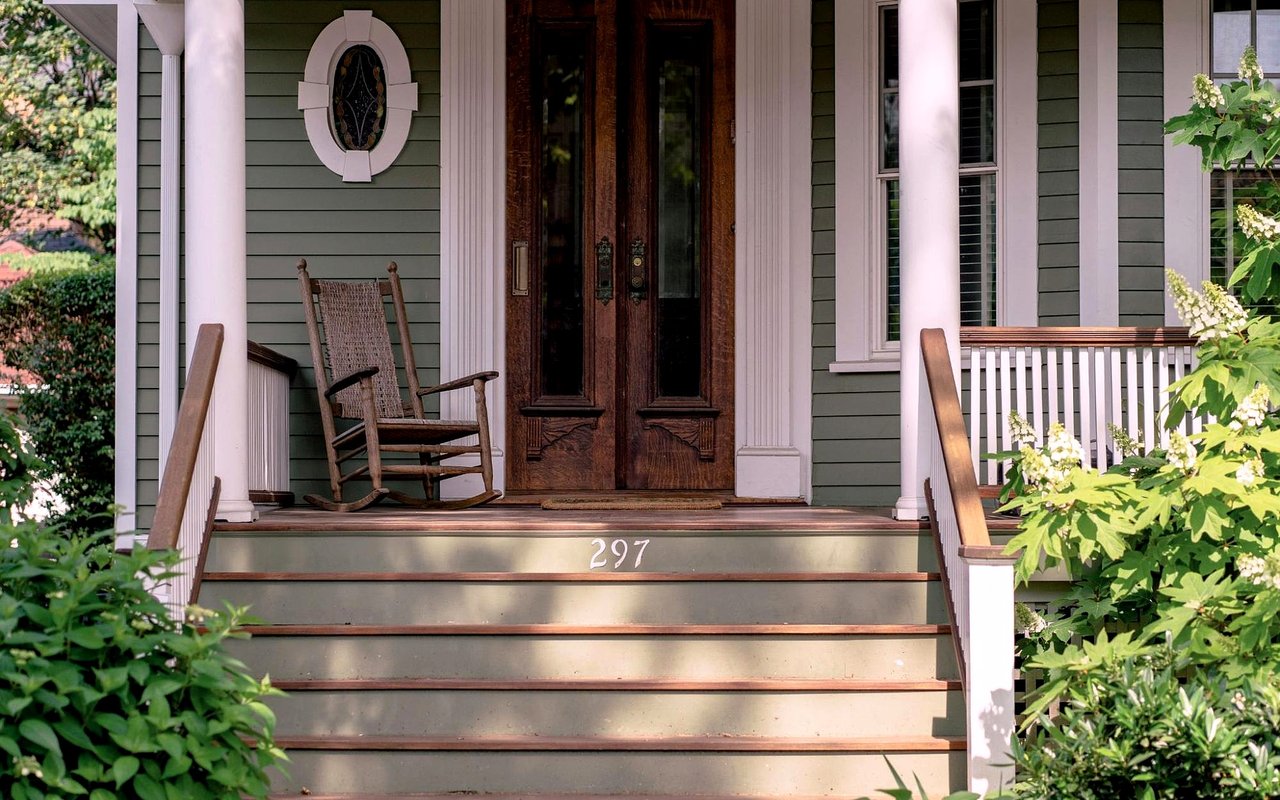
Older homes, particularly those built before the 1960s, often boast architectural detail, craftsmanship, and charm that are difficult to replicate in today’s construction. Features such as crown molding, hardwood floors, custom woodwork, and unique floor plans give these homes a sense of character that many buyers find appealing.
In historic neighborhoods of Springfield, IL, older homes often offer a glimpse into the city's past, with preserved details that appeal to both local and relocating buyers. However, this character can be a double-edged sword—while aesthetically pleasing, older homes can come with outdated systems, lead paint, or deferred maintenance that may deter some potential buyers.
In historic neighborhoods of Springfield, IL, older homes often offer a glimpse into the city's past, with preserved details that appeal to both local and relocating buyers. However, this character can be a double-edged sword—while aesthetically pleasing, older homes can come with outdated systems, lead paint, or deferred maintenance that may deter some potential buyers.
Maintenance and Modernization Costs
One of the key reasons home age affects value is the potential cost of repairs and upgrades. Plumbing, electrical wiring, roofing, HVAC systems, and insulation often need updating in older homes, which can quickly add to a buyer's investment. These anticipated expenses may lead to lower offers or longer days on the market for sellers.
That said, many older homes that have been well-maintained or recently renovated can command competitive prices—especially if modern systems and energy efficiency upgrades have been added while preserving the home’s original character. Sellers who have invested in meaningful upgrades can often justify higher asking prices.
That said, many older homes that have been well-maintained or recently renovated can command competitive prices—especially if modern systems and energy efficiency upgrades have been added while preserving the home’s original character. Sellers who have invested in meaningful upgrades can often justify higher asking prices.
The Value of New Construction
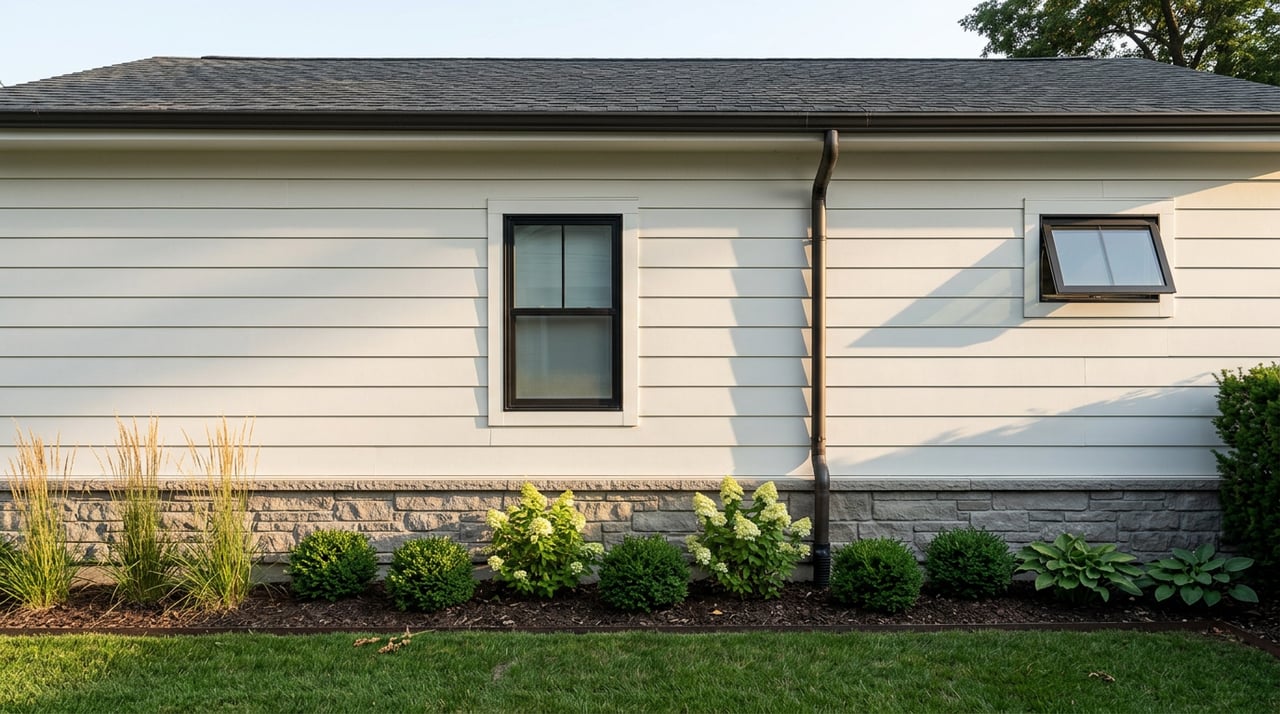
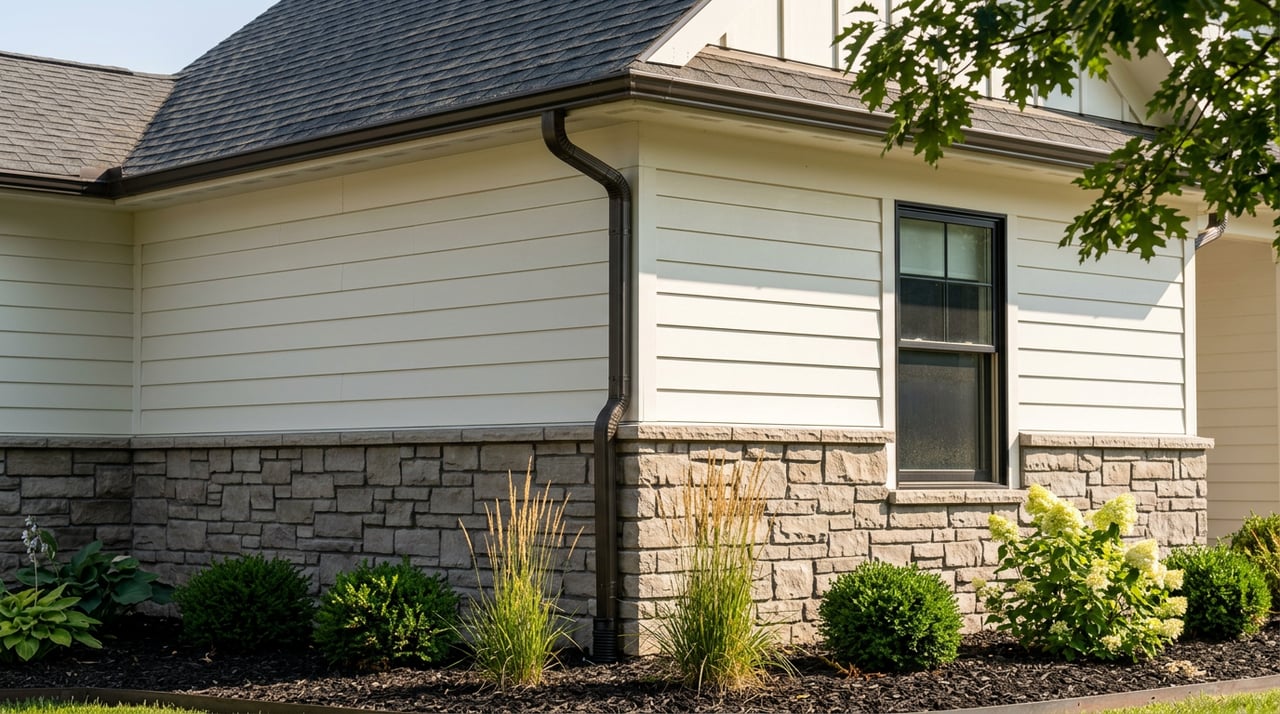
Newer homes—those built within the last 10 to 20 years—tend to appeal to buyers looking for move-in-ready properties with minimal maintenance needs. These homes often feature open floor plans, energy-efficient appliances, modern materials, and up-to-date safety standards.
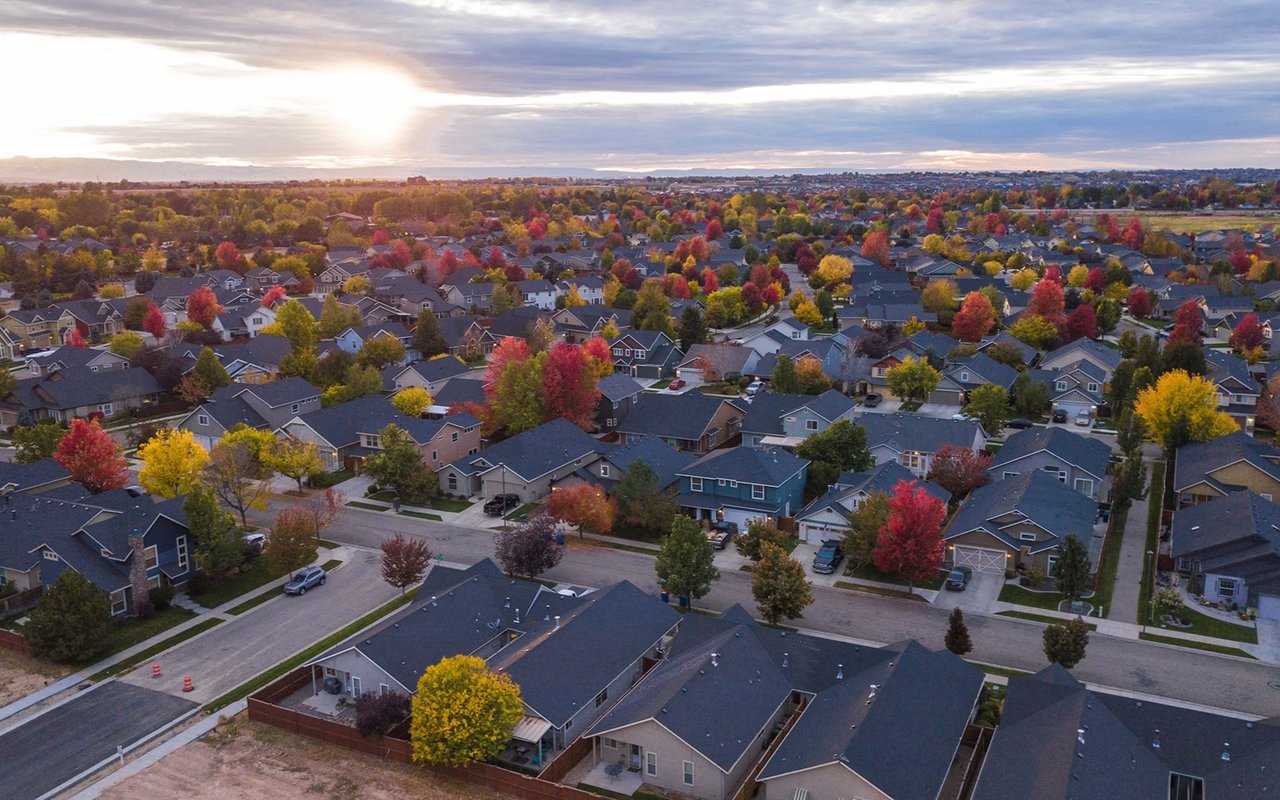
In Springfield’s developing neighborhoods, new construction homes are increasingly attractive to families and retirees alike. The promise of fewer repairs and lower utility bills contributes to a higher market value, especially in areas where newer developments are in high demand.
Builders often incorporate smart home technology and sustainable materials in new homes, aligning with the preferences of today’s tech-savvy and environmentally-conscious buyers. These features not only increase livability but also add long-term value.
In Springfield’s developing neighborhoods, new construction homes are increasingly attractive to families and retirees alike. The promise of fewer repairs and lower utility bills contributes to a higher market value, especially in areas where newer developments are in high demand.
Builders often incorporate smart home technology and sustainable materials in new homes, aligning with the preferences of today’s tech-savvy and environmentally-conscious buyers. These features not only increase livability but also add long-term value.
Depreciation vs. Appreciation Over Time
As with cars, homes experience a form of depreciation—particularly when it comes to components like roofing, mechanical systems, and finishes. A 25-year-old roof or 20-year-old furnace may be nearing the end of its lifespan, affecting how buyers perceive value and what they’re willing to pay.
However, real estate also appreciates over time, especially in stable or growing markets like Springfield. Land value and location can outweigh depreciation if the home is well-kept or historically significant. A 100-year-old home in a highly desirable neighborhood may still outperform newer homes in terms of price per square foot, particularly if it has been thoughtfully maintained or restored.
However, real estate also appreciates over time, especially in stable or growing markets like Springfield. Land value and location can outweigh depreciation if the home is well-kept or historically significant. A 100-year-old home in a highly desirable neighborhood may still outperform newer homes in terms of price per square foot, particularly if it has been thoughtfully maintained or restored.
Market Trends and Buyer Expectations
Trends in buyer preferences also influence how home age impacts value. In a competitive market where inventory is low, even older homes that need work may sell quickly. In contrast, during slower periods, buyers may be more selective, favoring homes with modern systems and amenities.
The generational shift in buyers has also impacted the perceived value of home age. Many younger buyers prefer low-maintenance homes and may be less inclined to take on renovation projects, while seasoned buyers or investors might view older homes as opportunities for value-adding improvements.
The generational shift in buyers has also impacted the perceived value of home age. Many younger buyers prefer low-maintenance homes and may be less inclined to take on renovation projects, while seasoned buyers or investors might view older homes as opportunities for value-adding improvements.
Location Plays a Key Role
It's important to note that the influence of a home's age on its value can vary widely based on location. In historic districts or neighborhoods known for architectural diversity, older homes may be more desirable. In contrast, in suburban areas where newer homes dominate, an older property might be seen as dated or less competitive unless it's been updated.
In Springfield, some buyers actively seek out homes in areas like Washington Park or Lincoln Park, where mature trees, unique architecture, and walkable streets outweigh the appeal of new construction. In newer subdivisions, however, consistency, modern layouts, and newer schools may lead to greater demand and higher pricing for more recently built homes.
In Springfield, some buyers actively seek out homes in areas like Washington Park or Lincoln Park, where mature trees, unique architecture, and walkable streets outweigh the appeal of new construction. In newer subdivisions, however, consistency, modern layouts, and newer schools may lead to greater demand and higher pricing for more recently built homes.
Assessing Value Accurately
Both buyers and sellers should work with experienced real estate professionals who understand the nuances of how home age interacts with market value. A qualified agent can help identify whether age is likely to enhance or diminish a home's price, based on current trends, comparable sales, and the condition of the property.
Home inspections are particularly crucial when evaluating older homes. Understanding the condition of a property’s structure, systems, and potential hidden issues can prevent surprises during the transaction and inform pricing strategies.
Home inspections are particularly crucial when evaluating older homes. Understanding the condition of a property’s structure, systems, and potential hidden issues can prevent surprises during the transaction and inform pricing strategies.
Where Age Meets Opportunity
Ultimately, the relationship between a home’s age and its market value is nuanced. Older homes bring character, location advantages, and sometimes a lower price point—with the tradeoff of potential repairs. Newer homes offer convenience, efficiency, and modern design, typically at a premium.
Buyers should assess their priorities: Are they looking for move-in-ready ease or willing to take on a project for the sake of location and charm? Sellers should consider how their home’s age, condition, and upgrades align with current buyer expectations in their area.
Buyers should assess their priorities: Are they looking for move-in-ready ease or willing to take on a project for the sake of location and charm? Sellers should consider how their home’s age, condition, and upgrades align with current buyer expectations in their area.
Unlock Expert Guidance in Springfield, IL
Whether you're buying a stately older home with history or selling a newer construction in a sought-after neighborhood, understanding how age influences market value is key to a successful transaction. For expert insight into Springfield, IL real estate, Melissa Vorreyer offers the knowledge and local expertise to help you navigate the market with confidence. Reach out today to get tailored advice for your property goals.