By Melissa Dowson Vorreyer Team
Springfield offers something many state capitals don’t: a manageable pace paired with deep historical roots and stable employment sectors. As the capital of Illinois, it combines government presence, healthcare infrastructure, and established residential neighborhoods within a city that’s easy to navigate. We often work with buyers relocating for state positions, medical roles, or simply a lifestyle change that prioritizes space and affordability. Understanding the structure of the city before moving to Springfield helps you choose the right neighborhood and long-term fit.
Key Takeaways
- Springfield blends government, healthcare, and local industry employment
- Housing ranges from historic homes to newer suburban developments
- Cost of living is generally lower than major metro areas in Illinois
- Neighborhood selection significantly impacts commute and lifestyle
Understanding Springfield’s Layout
Major Areas to Know
- Downtown Springfield near the Illinois State Capitol
- West Side residential communities
- Chatham (just southwest of the city)
- Sherman and other northern suburbs
Springfield is organized in a way that makes commuting relatively straightforward. Downtown anchors state government offices, while the west side includes many established residential neighborhoods and shopping corridors.
Chatham, though technically its own village, functions as a primary residential choice for many relocating buyers. Evaluating proximity to work, schools, and major roads like Veterans Parkway can simplify the transition when moving to Springfield.
Employment and Economic Stability
Primary Employment Sectors
- Illinois state government
- Healthcare systems such as Springfield Clinic and HSHS St. John’s Hospital
- Education institutions including University of Illinois Springfield
- Local manufacturing and service industries
As the state capital, Springfield benefits from consistent government employment. Healthcare also plays a central role in the local economy, supporting long-term housing demand.
The presence of stable employers contributes to predictable market cycles compared to more volatile metropolitan areas. For buyers relocating for work, job security often drives decisions around moving to Springfield.
Housing Market Overview
Common Property Types
- Mid-century ranch homes
- Two-story traditional homes
- Historic properties near downtown
- Newer construction in Chatham and surrounding communities
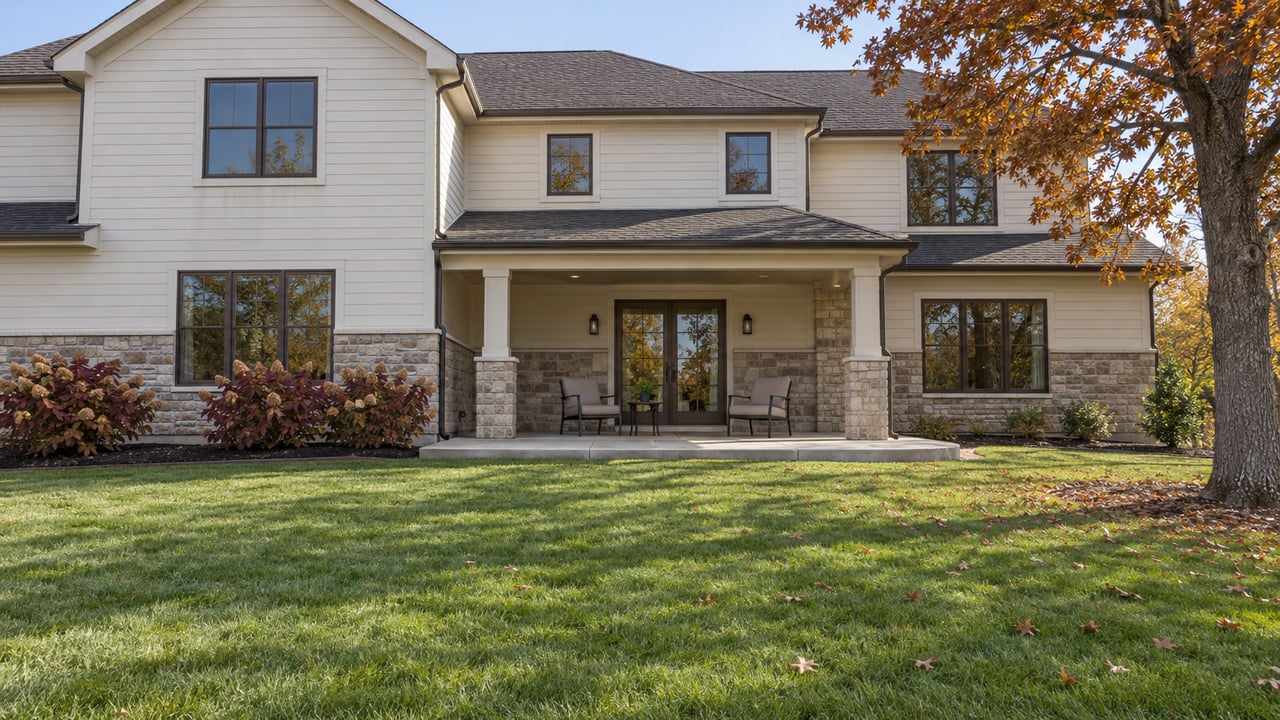
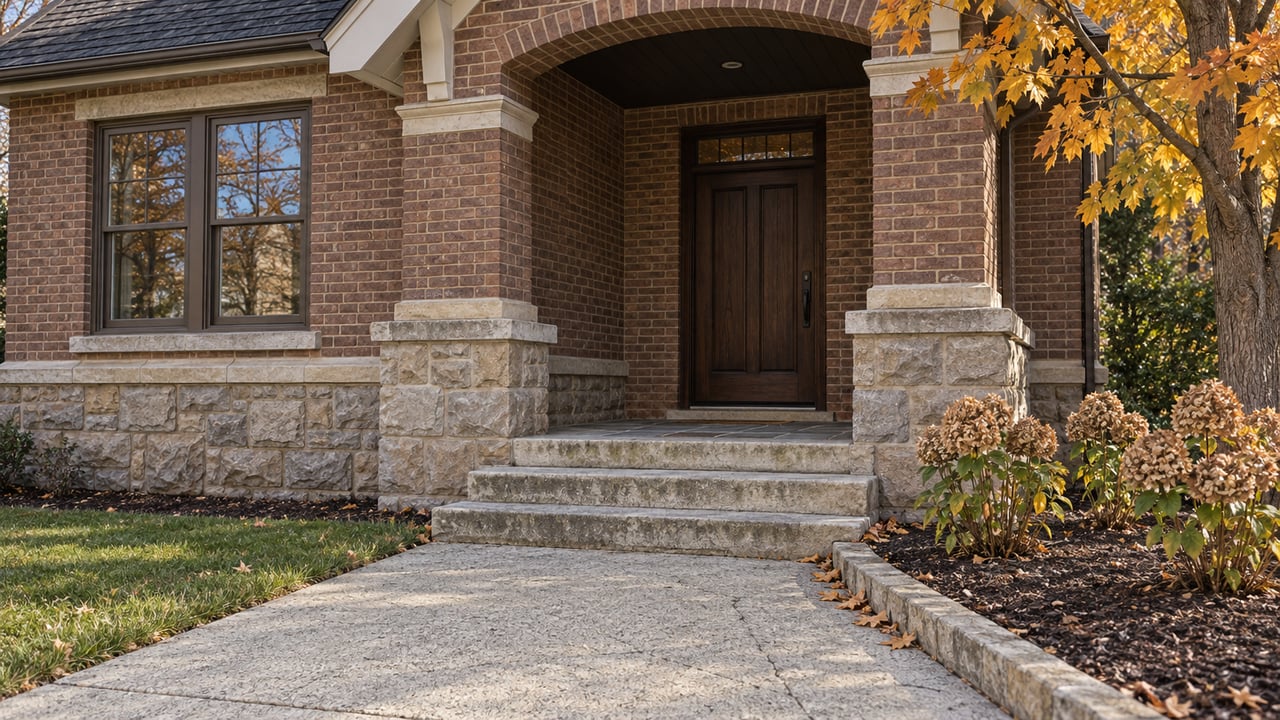
Springfield’s housing stock spans multiple decades. Downtown and near-west neighborhoods feature older homes with architectural character, while outer areas provide larger lots and newer builds.
Price points generally remain more accessible than Chicago-area markets. Buyers often find more square footage for their budget, which can influence timing and long-term planning when moving to Springfield.
Cost of Living Considerations
Financial Factors to Review
- Property taxes based on Sangamon County assessments
- Utility costs influenced by seasonal temperature swings
- Lower median home prices compared to larger Illinois cities
- Commuting costs typically moderate due to shorter distances
Springfield’s cost of living is often one of its strongest advantages. While Illinois property taxes can be higher than some neighboring states, home prices in Springfield typically balance that impact.
Seasonal weather should be factored into budgeting. Winters bring colder temperatures, while summers can be humid. Utility planning helps maintain predictable monthly expenses.
Lifestyle and Community Access
Everyday Amenities
- Washington Park’s botanical garden and walking paths
- Lake Springfield recreation areas
- Lincoln Home National Historic Site
- Local events centered around state government and history
Springfield’s identity is closely tied to Abraham Lincoln’s legacy, with multiple preserved historic sites. Beyond tourism, residents benefit from accessible parks and lake recreation.
Washington Park provides structured green space, while Lake Springfield supports boating and shoreline activities. These amenities contribute to quality of life and influence neighborhood preference when moving to Springfield.
Transportation and Connectivity
How Residents Get Around
- Interstate 55 access north toward Chicago and south toward St. Louis
- Amtrak service from Springfield station
- Springfield Abraham Lincoln Capital Airport
- Veterans Parkway as a primary commercial corridor
Interstate 55 provides direct regional access, making travel to larger metro areas manageable by car. Amtrak service adds another commuting option for those with flexible schedules.
Within the city, Veterans Parkway serves as a major commercial artery. Most daily errands can be completed within a short drive, reinforcing Springfield’s reputation as a practical, easy-to-navigate city.
FAQs
Is Springfield a good place for state employees?
Yes. As the Illinois state capital, Springfield offers proximity to government offices and stable employment opportunities.
Are there newer homes available?
Yes. Areas like Chatham and northern Springfield include newer construction options with modern layouts.
How long does it take to commute across town?
Most cross-town commutes take between 15 and 25 minutes depending on traffic and time of day.
Preparing for a Smooth Relocation
Relocating involves more than selecting a property—it requires understanding how neighborhoods, commute times, and long-term costs align with your goals. Springfield’s manageable size and stable employment base make it an appealing option for many buyers.
If you’re planning on moving to Springfield and want clarity on neighborhoods, pricing, and market timing, connect with us at Melissa Dowson Vorreyer Team for guidance tailored to your relocation priorities.